Introduction to Stores Closing
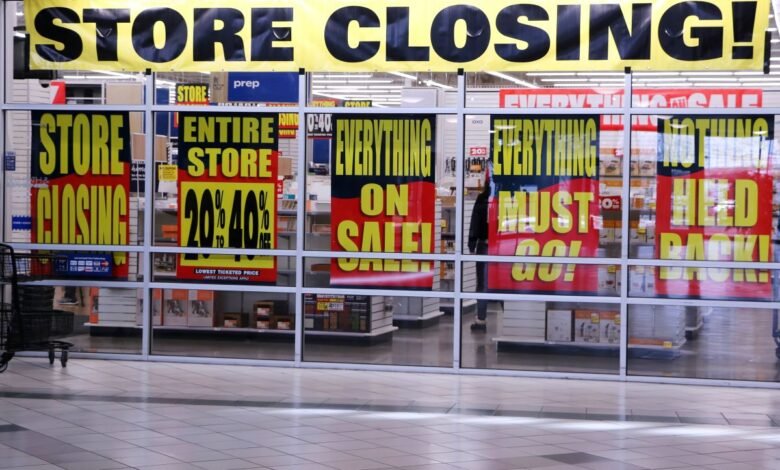
Store closures have become one of the most talked-about trends in modern retail. Stores Closing Whether it’s a local shop shutting its doors or a well-known chain announcing dozens—or even hundreds—of closures, the shift is impossible to ignore. But behind every “store closing” sign is a story shaped by changing consumer behavior, economic pressure, and evolving business models.
In this article, we’ll break down the phenomenon of stores closing in a way that’s easy to understand and engaging to read. You’ll learn why it’s happening, what it means for communities, and how businesses—and shoppers—are adapting.
Understanding the Trend of Stores Closing
Store closures are not a new concept, but their frequency has increased significantly in recent years. You can see it in malls with empty storefronts or in neighborhoods Stores Closing where once-busy retail strips now feel quieter.
One key reason behind this trend is the shift in how people shop. Consumers today prioritize convenience, and online shopping provides exactly that. With just a few clicks, shoppers can compare prices, read reviews, and have products delivered directly to their homes. This ease has reduced foot traffic in physical stores, making it harder for them to stay profitable.
Another factor is the rise of digital-first brands. Stores Closing Many companies now launch exclusively online, skipping the cost of maintaining physical stores. This shift puts traditional retailers at a disadvantage, especially those slow to adapt to e-commerce.
Additionally, the pandemic accelerated changes that were already underway. Lockdowns forced consumers to rely heavily on online shopping, and even after restrictions lifted, many people continued with their new habits. As a result, some stores that survived before could no longer keep up.
Finally, rising operational costs—such as rent, utilities, and wages—Stores Closing have made it more difficult for retailers to maintain physical locations. When expenses outweigh profits, closing a store becomes a necessary, though difficult, decision.
The Main Reasons Why Stores Are Closing
Understanding why stores are closing requires looking at multiple factors rather than a single cause. The retail environment is complex, and several forces are working together to drive these closures.
First, e-commerce competition plays a major role. Stores Closing Online platforms often offer lower prices because they don’t have the same overhead costs as brick-and-mortar stores. This creates intense pressure on physical retailers to match prices while still covering their expenses.
Second, changing consumer preferences are reshaping the market. Modern shoppers value experiences over possessions. Instead of spending money on products, many people choose to invest in travel, dining, or entertainment. This shift reduces demand for certain retail categories.
Third, poor financial management can also lead to closures. Some companies expand too quickly or take on too much debt. When sales decline even slightly, they struggle to stay afloat and may be forced to shut down locations.
Another important factor is outdated business models. Stores Closing Retailers that fail to innovate—whether by improving customer experience, embracing technology, or updating their product offerings—often fall behind competitors.
Lastly, supply chain disruptions have made it harder for stores to maintain inventory. When shelves are empty or products arrive late, customers lose confidence and turn to alternatives, further hurting sales.
Impact of Store Closures on Local Communities
When stores close, the effects go beyond the business itself. Communities often feel the impact in several meaningful ways.
One of the most immediate consequences is job loss. Stores Closing Employees who worked in those stores suddenly find themselves without income. While some may find new opportunities, others struggle, especially in areas with limited employment options.
Store closures also affect local economies. Retail businesses contribute to tax revenue, which supports public services like schools and infrastructure. When multiple stores close, the financial health of a community can decline.
Another impact is reduced accessibility. For many people—Stores Closing especially those without reliable transportation—local stores provide essential goods. When these stores shut down, residents may have to travel farther to meet their daily needs.
Empty storefronts can also change the atmosphere of a neighborhood. Areas that once felt lively and vibrant may appear neglected or less safe. This can discourage new businesses from opening, creating a cycle that’s difficult to break.
Despite these challenges, some communities find ways to adapt. Stores Closing Local entrepreneurs may step in to fill gaps, or cities may invest in redevelopment projects to attract new businesses and revitalize affected areas.
How Businesses Are Adapting to the Changing Retail Landscape
While store closures are a sign of struggle for some businesses, others are finding innovative ways to survive and even thrive in this evolving environment.
One major strategy is adopting an omnichannel approach. Stores Closing This means combining online and offline experiences to create a seamless shopping journey. For example, customers can browse products online and pick them up in-store, or return online purchases at physical locations.
Another adaptation is focusing on customer experience. Stores are no longer just places to buy products—they are becoming destinations. Retailers are redesigning spaces to offer interactive experiences, personalized services, and events that attract customers.
Businesses are also leveraging technology to improve efficiency. Stores Closing From inventory management systems to data analytics, technology helps retailers understand customer behavior and make smarter decisions.
Additionally, many companies are downsizing rather than disappearing completely. Instead of operating large stores in expensive locations, they open smaller, more efficient spaces that better match current demand.
Finally, some brands are shifting their focus entirely. They may move from physical retail to e-commerce or explore new product categories that align with changing consumer preferences.
What Store Closures Mean for Consumers
For shoppers, store closures bring both challenges and opportunities. While losing a favorite store can be disappointing, the changing retail landscape also offers new ways to shop.
One benefit is increased convenience. Online shopping allows consumers to access a wider range of products without leaving their homes. This is especially useful for those living in areas with limited retail options.
However, there are also downsides. Physical stores provide the ability to see, touch, and try products before purchasing. Without that option, customers may face uncertainty or rely heavily on reviews and return policies.
Store closures can also lead to fewer choices in certain areas. When multiple retailers shut down, competition decreases, which can sometimes result in higher prices or reduced variety.
On the positive side, closing sales often offer significant discounts. Shoppers can take advantage of these deals to purchase items at lower prices, although availability may be limited.
Ultimately, consumers are adapting just like businesses. Many people now use a mix of online and offline shopping, choosing the method that best suits their needs at any given time.
The Future of Retail: Will Stores Keep Closing?
Looking ahead, it’s clear that the retail industry will continue to evolve. While store closures may persist, they don’t necessarily signal the end of physical retail.
Instead, the future likely involves a transformation. Physical stores will become more strategic, focusing on locations and formats that deliver value beyond simple transactions. Retailers will prioritize quality over quantity, operating fewer but more impactful stores.
Technology will play an even bigger role in shaping the shopping experience. Innovations like augmented reality, artificial intelligence, and advanced logistics will redefine how consumers interact with brands.
Sustainability is another factor that will influence the future of retail. Consumers are increasingly aware of environmental issues and prefer brands that align with their values. This may lead to changes in how products are made, distributed, and sold.
At the same time, local and niche businesses may gain more attention. As large chains close stores, smaller retailers have an opportunity to connect with customers on a more personal level and offer unique products or experiences.
In short, while store closures are part of the current reality, Stores Closing they also represent a shift toward a more dynamic and innovative retail landscape.
Conclusion:
Stores closing is a complex issue with no single explanation. It reflects broader changes in technology, consumer behavior, and economic conditions. While it can be challenging—especially for workers and communities—it also opens the door to new opportunities and ideas.
For businesses, the key to survival lies in adaptability. Those willing to embrace change, invest in innovation, and focus on customer needs are more likely to succeed in the long run.
For consumers, the evolving retail landscape offers greater flexibility and convenience, even if it comes with some trade-offs.
As the industry continues to transform, one thing remains certain: retail is not disappearing—it’s simply changing. And understanding these changes helps everyone navigate the future with confidence.