Hartley Sawyer Tweets: A Deep Dive into Controversy, Accountability, and Career Impact

Introduction to Hartley Sawyer Tweets
The story of Hartley Sawyer Tweets and his past tweets is one of the most talked-about controversies in modern entertainment. It sparked conversations about accountability, cancel culture, and how past online behavior can shape a person’s future. Whether you’re familiar with Sawyer from The Flash or just curious about the situation, this article breaks everything down in a clear, engaging, and easy-to-read way.
Who Is Hartley Sawyer and Why Do His Tweets Matter?
Hartley Sawyer rose to fame as an actor, most notably for his role as Ralph Dibny (also known as Elongated Man) on The Flash. Before landing that role, Hartley Sawyer Tweets he had appeared in several television shows and indie projects, slowly building his career in Hollywood. His charm and comedic timing made him a fan favorite, especially within the DC television universe.
Sawyer’s popularity grew quickly once he joined The Flash. Fans appreciated his character’s growth—from a somewhat selfish investigator to a genuine hero. His performance added emotional depth and humor to the show, making him an important part of the ensemble cast.
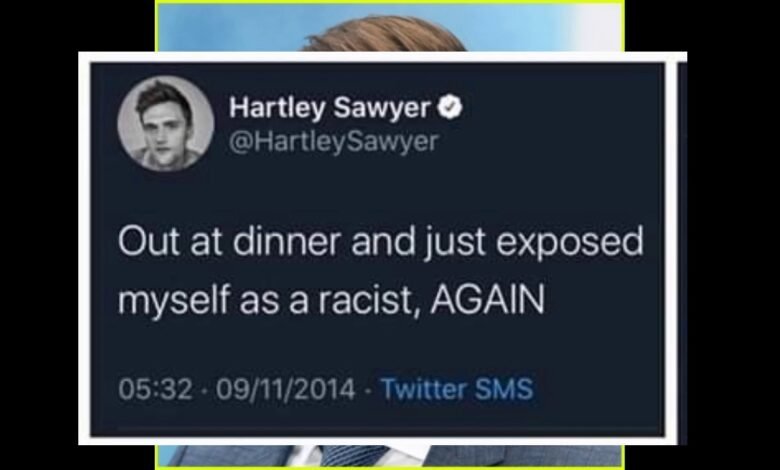
However, his career took a sudden turn when old Hartley Sawyer Tweets resurfaced online. These tweets, posted years before his rise to fame, contained offensive jokes and remarks that many people found deeply inappropriate. The content ranged from insensitive humor to statements that were considered racist, sexist, and harmful.
The reason these tweets matter goes beyond just one actor. They highlight a broader issue in today’s digital age: nothing posted online truly disappears. Even years-old content can resurface and have serious consequences, especially for public figures.
What Were the Hartley Sawyer Tweets About?
The tweets that resurfaced were not recent—they were from several years prior to Sawyer’s role on The Flash. However, their content was what caused widespread backlash. Many of the tweets included attempts at dark humor that crossed the line into offensive territory.
Some tweets made inappropriate jokes about sensitive topics such as race, gender, and violence. While Sawyer later stated that these tweets were attempts at edgy humor, Hartley Sawyer Tweets audiences and critics alike found them unacceptable, regardless of intent.
It’s important to understand the context here. Social media has evolved significantly over the years, and what might have been brushed off in the past is now taken much more seriously. Today’s audiences expect higher standards, especially from public figures who influence millions of fans.
The controversy also sparked discussions about whether people should be judged solely on their past or whether growth and change should be considered. This became a central theme in the reaction to Sawyer’s tweets.
The Immediate Fallout: Career Consequences
Once the tweets gained attention, the response was swift and decisive. The network behind The Flash, The CW, announced that Hartley Sawyer would not be returning to the show. This effectively ended his role as Ralph Dibny.
The decision reflected the industry’s increasing focus on accountability. Hartley Sawyer Tweets Networks and studios are more cautious than ever about maintaining a positive public image, and controversies like this can have a direct impact on their brand.
Sawyer’s removal from the show also had creative implications. Writers had to adjust storylines and find ways to explain his character’s absence. For fans, this was disappointing, as many had grown attached to Ralph Dibny’s character arc.
Beyond The Flash, the controversy also affected Sawyer’s overall career prospects. In Hollywood, reputation matters significantly, and incidents like this can make it harder for actors to secure future roles.
Hartley Sawyer’s Response and Public Apology
Following the backlash, Hartley Sawyer Tweets issued a public apology. He acknowledged that his past tweets were inappropriate and expressed regret for his actions. He emphasized that the tweets did not reflect who he had become as a person.
In his statement, Sawyer admitted that his attempts at humor were misguided and hurtful. He also recognized the importance of accountability and stated that he understood the consequences of his actions.
Apologies in situations like this often face intense scrutiny. Some people believed Sawyer was genuinely remorseful, while others felt the apology came only after he faced consequences. This divide is common in public controversies.
Despite mixed reactions, his apology did open up discussions about personal growth. Can someone truly change over time? And if they do, how should society respond to their past mistakes?
Cancel Culture vs Accountability: A Bigger Conversation
The Hartley Sawyer tweet controversy became part of a larger debate around cancel culture. Some argued that firing him was necessary to uphold standards and show that offensive behavior is unacceptable.
Others felt that the punishment was too harsh, especially since the tweets were old and Sawyer had not displayed similar behavior in recent years. They argued that people should be allowed to grow and learn from their mistakes.
This tension between accountability and forgiveness is at the heart of many modern controversies. On one hand, holding individuals accountable sends a strong message about societal values. On the other hand, refusing to allow room for growth can discourage people from improving.
The entertainment industry, in particular, often finds itself navigating this balance. Public figures are held to high standards, but they are also human beings capable of change.
The Role of Social Media in Shaping Public Perception
Social media played a major role in bringing the tweets to light. Platforms like Twitter make it easy for old posts to resurface and spread rapidly.
In today’s digital world, a single post can reach millions within minutes. This amplifies both positive and negative content, making it crucial for users to think carefully before posting.
For celebrities, the stakes are even higher. Their online presence is closely monitored, and any controversial content can quickly become a trending topic. This level of scrutiny means that past actions are never truly forgotten.
The Sawyer case is a reminder that social media history can have long-term consequences. It also highlights the importance of digital responsibility, not just for celebrities but for everyone.
How the Industry Has Changed After Incidents Like This
The Hartley Sawyer controversy is not an isolated case. Over the years, many public figures have faced backlash for past behavior. As a result, the entertainment industry has become more proactive in addressing such issues.
Studios and networks now often conduct more thorough background checks on actors and collaborators. They also have clearer policies regarding conduct, both online and offline.
This shift reflects changing audience expectations. Viewers want to support content created by individuals who align with their values. As a result, companies are more cautious about the people they associate with.
At the same time, there is also growing awareness of the need for fair and balanced responses. Some industry voices advocate for giving individuals a chance to demonstrate growth rather than permanently excluding them.
Lessons Learned from the Hartley Sawyer Tweets Controversy
There are several key takeaways from this situation. First, it underscores the importance of being mindful about what you post online. Even seemingly harmless jokes can have serious implications later.
Second, it highlights the power of accountability. Actions, even from years ago, can come back and affect your present and future. This is especially true for those in the public eye.
Third, the controversy shows the complexity of human behavior. People are capable of making mistakes, but they are also capable of learning and evolving. How society responds to this duality remains an ongoing discussion.
Finally, it reminds us that conversations about ethics, responsibility, and forgiveness are more relevant than ever. The digital age has changed how we view and judge one another, making these discussions essential.
Where Is Hartley Sawyer Now?
After his departure from The Flash, Hartley Sawyer Tweets has kept a relatively low profile. While he has expressed regret and a desire to move forward, rebuilding a career after such a controversy is not easy.
Some actors have managed to recover from similar situations, while others have struggled to regain their footing. It often depends on public perception, the sincerity of their actions, and the opportunities available to them.
Sawyer’s future in the entertainment industry remains uncertain, but his story continues to serve as a case study in how quickly things can change in the age of social media.
Conclusion:
The Hartley Sawyer tweets controversy is about more than just one actor. It reflects broader societal changes in how we view accountability, humor, and personal growth.
It challenges us to think about our own online behavior and the standards we hold for others. It also raises important questions about forgiveness and whether people should be defined by their past mistakes.
In the end, this story is a reminder that words matter—whether spoken or typed. And in a world where everything is recorded and shared, the impact of those words can last far longer than we might expect.