Helmut Marko: The Architect Behind Formula 1’s Most Ruthless Talent Pipeline

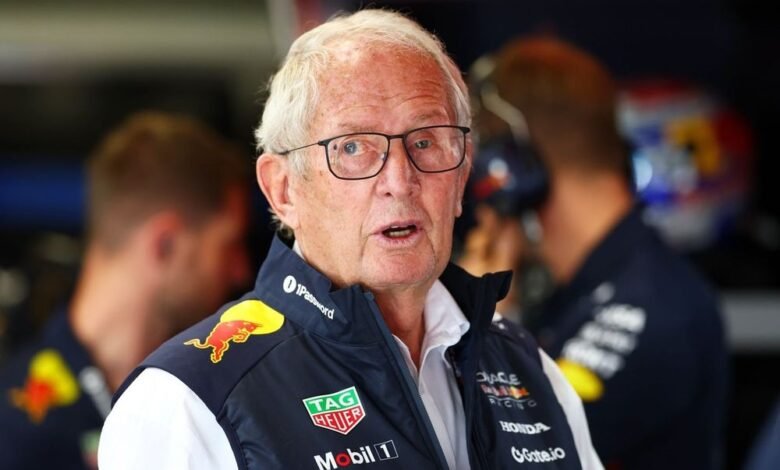
Introduction to Helmut Marko
When people talk about dominance in modern Formula 1, Helmut Marko names like Max Verstappen or teams like Red Bull Racing usually take center stage. But behind the scenes, one man has played a decisive role in shaping that success—Helmut Marko.
Marko is not your typical motorsport executive. He is blunt, strategic, and unapologetically demanding. Over the decades, he has built a reputation as both a talent scout and a ruthless decision-maker. Love him or criticize him, you cannot ignore his influence.
This article takes a deep dive into Helmut Marko’s life, career, philosophy, and lasting impact on Formula 1. It is written in a simple, easy-to-read style, but it carries the depth and perspective of expert analysis.
Early Life and Racing Career
Helmut Marko was born on April 27, 1943, in Graz, Austria. From an early age, he showed interest in both academics and motorsport. Unlike many racing drivers, Marko pursued higher education seriously and even earned a doctorate in law. This intellectual background later shaped his sharp decision-making skills.
Marko’s racing career began in the late 1960s. He quickly climbed the ranks in endurance racing, showing strong consistency and discipline. While he was not the flashiest driver, Helmut Marko he was reliable and technically sound. These qualities made him a valuable asset in team environments.
His biggest career highlight came in 1971 when he won the prestigious 24 Hours of Le Mans. Driving for Martini Racing, Marko proved he could compete at the highest level. That victory remains one of the defining moments of his racing career.
However, his time in Formula 1 was short-lived. During the 1972 season, a tragic accident at the French Grand Prix ended his racing career. A stone hit his visor, causing severe eye injury and permanent blindness in his left eye. At just 29 years old, Marko was forced to retire.
Transition from Driver to Strategist
After his sudden retirement, Marko did not step away from motorsport. Instead, he transitioned into a managerial and advisory role. This shift marked the beginning of a much more impactful chapter in his life.
He started by managing young drivers and running his own racing team. Helmut Marko His eye for talent became evident early on. He had a knack for identifying drivers who not only had speed but also mental toughness—an essential trait in high-pressure racing environments.
Marko’s approach was straightforward. He valued performance above everything else. If a driver delivered results, they stayed. If not, they were replaced quickly. Helmut Marko This philosophy would later define his work with Red Bull.
His connection with Dietrich Mateschitz proved to be a turning point. Together, they envisioned a system that could develop young drivers and bring them into Formula 1. That vision became the Red Bull Junior Team.
The Red Bull Junior Team: A Talent Factory
The Red Bull Junior Team is one of the most influential driver development programs in motorsport history. Under Marko’s leadership, it has produced multiple world champions and race winners.
The idea was simple but powerful. Identify young talent early, support them financially, and guide them through the racing ladder. But Marko added a twist—extreme accountability. Drivers were expected to perform consistently or risk losing their place.
This system produced stars like Sebastian Vettel, who went on to win four consecutive world championships. It also developed Daniel Ricciardo, Carlos Sainz Jr., and, most notably, Max Verstappen.
Marko’s role was not just administrative. He actively monitored drivers, analyzed performances, and made tough calls. His decisions often sparked controversy, but they were rarely ineffective.
Critics argue that his system is too harsh. Supporters believe it is necessary in a sport where only the best survive. Either way, the results speak for themselves.
Partnership with Red Bull Racing
Helmut Marko’s influence within Red Bull Racing is immense. While team principals like Christian Horner handle day-to-day operations, Marko operates as a senior advisor with significant authority.
He plays a key role in driver selection, contract decisions, and long-term strategy. His close relationship with Dietrich Mateschitz gave him unique power within the organization.
Marko’s decision-making style is direct. He does not hesitate to replace underperforming drivers mid-season. This approach has led to several high-profile changes over the years, often catching fans and media by surprise.
Despite criticism, this aggressive strategy has helped Red Bull stay competitive. The team has consistently produced strong lineups and maintained a winning culture.
Marko’s ability to balance risk and reward is one of his greatest strengths. He is willing to take chances on young drivers, but he also knows when to make tough calls.
Relationship with Max Verstappen
One of Helmut Marko’s most significant contributions to Formula 1 is his role in shaping Max Verstappen’s career. Marko recognized Verstappen’s potential early and brought him into the Red Bull program at a young age.
He supported Verstappen’s rapid rise through the ranks, including his controversial promotion to Red Bull Racing in 2016. Many questioned the decision at the time, but it paid off immediately when Verstappen won his debut race with the team.
Marko has consistently backed Verstappen, even during difficult moments. This trust has helped build a strong driver-advisor relationship. Verstappen, in return, has delivered exceptional performances and multiple championships.
Their partnership is based on mutual respect and shared ambition. Marko values Verstappen’s aggressive driving style and mental resilience. Verstappen appreciates Marko’s honesty and support.
This relationship has been a cornerstone of Red Bull’s recent dominance in Formula 1.
Leadership Style and Philosophy
Helmut Marko is known for his no-nonsense leadership style. He values results, discipline, and mental strength. He does not believe in sugarcoating feedback, which often makes him appear harsh.
His philosophy is rooted in competition. He believes that pressure brings out the best in drivers. This belief shapes the culture within the Red Bull Junior Team and the main Formula 1 team.
Marko is also highly analytical. He studies data, observes driver behavior, and makes decisions based on performance metrics. However, he also trusts his instincts, which have proven reliable over the years.
One of his defining traits is consistency. He applies the same standards to all drivers, regardless of their popularity or reputation. This approach ensures fairness but can also lead to tough outcomes.
Despite criticism, many drivers credit Marko for pushing them to improve. His methods may be कठोर, but they are effective.
Controversies and Criticism
Helmut Marko’s career has not been without controversy. His blunt comments and strict decisions have often sparked debates within the motorsport community.
He has been criticized for his handling of young drivers, with some accusing him of being too ruthless. Drivers who fail to meet expectations are often dropped quickly, sometimes without much explanation.
Marko has also faced backlash for certain public statements. His straightforward communication style can come across as insensitive or overly harsh.
However, it is important to understand the context. Formula 1 is an extremely competitive sport with limited opportunities. Marko operates in an environment where performance is everything.
While not everyone agrees with his methods, his track record cannot be ignored. He has consistently delivered results and helped build one of the most successful teams in modern Formula 1.
Legacy in Formula 1
Helmut Marko’s impact on Formula 1 is undeniable. He has redefined how teams approach driver development and talent management.
Through the Red Bull Junior Team, he has created a pipeline that continuously feeds top talent into the sport. This model has influenced other teams to invest more in youth development programs.
Marko’s legacy is also tied to Red Bull’s success. The team’s championships and race wins are a testament to his strategic vision and decision-making.
He has shown that success in Formula 1 is not just about technology or budget. It is also about people—finding the right drivers and putting them in the right environment.
As the sport continues to evolve, Marko’s influence will remain significant. His methods may adapt, but his core philosophy will likely stay the same.
Conclusion:
Helmut Marko may not always be in the spotlight, but his presence is felt throughout Formula 1. From discovering talent to shaping championship-winning teams, his contributions are immense.
He is a complex figure—part strategist, part mentor, and part enforcer. His style is not for everyone, but it has proven highly effective.
In a sport where margins are razor-thin, Marko’s ability to make decisive calls sets him apart. He understands that success requires both talent and toughness.
As long as Red Bull remains competitive, Helmut Marko’s influence will continue to shape the future of Formula 1.