Sing Cast: A Complete Guide to the Voices Behind the Beloved Animated Hit

Introduction to Sing Cast
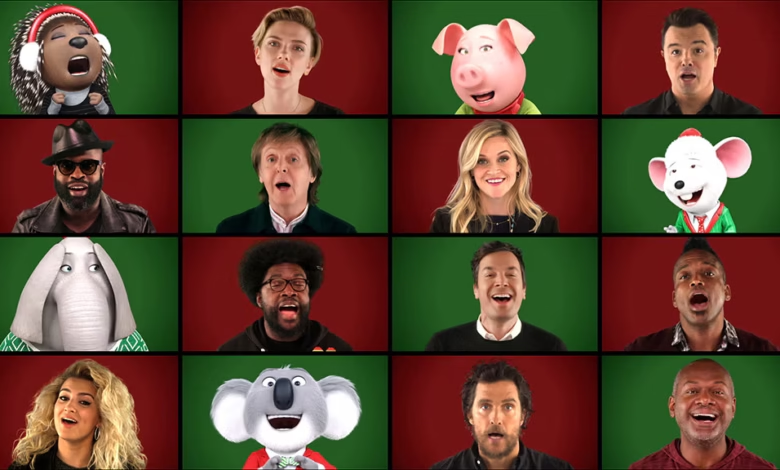
The animated musical world of Sing Cast captured hearts across the globe with its vibrant storytelling, catchy songs, and unforgettable characters. But what truly brought this film to life wasn’t just the animation—it was the incredibly talented cast behind the voices.
In this detailed guide, we’ll explore the Sing cast, diving deep into the actors, their roles, their performances, and how they helped shape one of the most entertaining musical animations of recent years. Whether you’re a fan of the film or just curious about the voices behind your favorite characters, this article will give you a complete, expert-level breakdown.
The Star Power Behind Sing: Why the Cast Matters
The success of Sing is largely due to its star-studded cast. Unlike many animated films that rely heavily on animation alone, Sing Cast blends music, emotion, and personality—and that requires voices that can truly perform.
First, the cast brings authentic musical talent. Many of the actors are not just performers but also singers, which gives the film a realistic and engaging musical experience. This makes every performance feel genuine rather than forced.
Second, each actor perfectly matches their character’s personality. Sing Cast From ambitious koalas to shy elephants, the casting choices feel intentional and precise. This alignment enhances emotional connection and storytelling.
Third, the diversity of voices creates a dynamic atmosphere. The film balances humor, drama, and inspiration, and the cast plays a crucial role in maintaining that balance throughout the story.
Finally, the star power helps attract a wider audience. Big names naturally draw attention, but in Sing, they also deliver performances that exceed expectations, making the film memorable long after it ends.
Matthew McConaughey as Buster Moon: The Heart of the Story
At the center of the film is Buster Moon, voiced by Matthew McConaughey. His performance is both energetic and heartfelt, making Buster one of the most memorable characters in the movie.
Buster Moon is an optimistic koala who dreams of saving his struggling theater. Sing Cast McConaughey brings charm and determination to the role, making audiences root for him from the very beginning. His voice carries a natural warmth that perfectly fits the character’s personality.
What stands out most is how McConaughey balances humor with emotion. He delivers comedic lines effortlessly while also capturing the deeper struggles of a dreamer facing failure. This duality adds depth to Buster’s journey.
Additionally, his unique voice tone gives Buster a distinct identity. Sing Cast It’s instantly recognizable and helps anchor the entire film. Without this strong central performance, the story wouldn’t feel as cohesive.
In short, McConaughey doesn’t just voice Buster Moon—he embodies him, making the character believable and inspiring.
Reese Witherspoon as Rosita: The Relatable Superstar
Reese Witherspoon voices Rosita, Sing Cast a hardworking pig and mother of 25 piglets. Her character represents everyday struggles, making her one of the most relatable figures in the film.
Rosita dreams of stepping out of her routine life and pursuing her passion for singing. Witherspoon brings sincerity and warmth to the role, capturing the emotional weight of balancing family responsibilities with personal ambitions.
Her performance shines in both dialogue and musical moments. She conveys Rosita’s self-doubt and eventual confidence with subtle changes in tone, making her transformation feel authentic.
Moreover, Witherspoon’s natural charisma adds a layer of likability to Rosita. Sing Cast Audiences connect with her instantly, rooting for her success throughout the competition.
Rosita’s journey, powered by Witherspoon’s performance, becomes one of the film’s most inspiring storylines.
Scarlett Johansson as Ash: The Rebel with a Voice
Ash, the punk-rock porcupine, is voiced by Scarlett Johansson. Sing Cast Her portrayal brings edge, emotion, and authenticity to the character.
Ash starts as a rebellious musician struggling with her identity and relationship issues. Johansson captures this complexity with a performance that feels raw and genuine.
One of the highlights of her role is her singing. Johansson delivers powerful musical performances that perfectly match Ash’s rock-inspired style. Her voice adds intensity and emotion to every song.
As Ash grows throughout the film, Sing Cast Johansson subtly shifts her tone to reflect the character’s increasing confidence. This evolution feels natural and earned.
Ultimately, Ash becomes a symbol of self-expression, and Johansson’s performance plays a key role in making that message resonate.
Taron Egerton as Johnny: The Underdog Story
Taron Egerton voices Johnny, Sing Cast a young gorilla torn between family expectations and his love for music. His character represents the classic underdog story.
Johnny wants to break away from his family’s criminal lifestyle and pursue singing. Egerton brings vulnerability and determination to the role, making Johnny’s struggle deeply compelling.
What makes Egerton stand out is his vocal performance. His singing is not only technically strong but also emotionally rich, adding depth to Johnny’s journey.
Additionally, Egerton captures Johnny’s internal conflict with subtle voice acting. You can hear the tension, fear, and hope in his performance, making the character feel real.
Johnny’s arc is one of growth and courage, and Egerton delivers it with remarkable authenticity.
Tori Kelly as Meena: The Powerhouse Voice
Meena, the shy elephant with a powerful voice, is brought to life by Tori Kelly.
Meena struggles with stage fright despite her incredible talent. Kelly’s performance beautifully captures this contrast between insecurity and potential.
Her singing is one of the film’s highlights. When Meena finally finds her confidence, Kelly delivers a breathtaking performance that becomes a defining moment in the movie.
Beyond the music, Kelly’s voice acting conveys Meena’s gentle and kind personality. She makes the character lovable and relatable.
Meena’s journey is about overcoming fear, and Kelly’s performance ensures that this message hits home with audiences.
Nick Kroll and Supporting Cast: Adding Humor and Depth
The supporting cast of Sing adds layers of humor and energy that elevate the overall experience.
Nick Kroll voices Gunter, the enthusiastic pig who becomes Rosita’s dance partner. His comedic timing brings lighthearted moments that balance the film’s emotional arcs.
Seth MacFarlane plays Mike, a smooth-talking mouse with a big ego. His performance adds a jazzy flair and a touch of arrogance that makes the character entertaining.
John C. Reilly voices Eddie, Buster’s supportive friend. His laid-back delivery provides a contrast to Buster’s high-energy personality.
Jennifer Saunders plays Nana Noodleman, adding authority and humor to the story.
Each supporting actor contributes something unique, ensuring that even minor characters feel memorable and engaging.
The Musical Element: Where the Cast Truly Shines
One of the defining features of Sing is its music, and the cast plays a crucial role in making it unforgettable.
First, the actors perform their own songs, which adds authenticity. This approach ensures that the emotions in the songs match the characters perfectly.
Second, the variety of musical styles keeps the film exciting. From pop and rock to jazz and soul, the cast handles multiple genres with ease.
Third, the performances are not just technically strong—they are emotionally driven. Each song advances the story and reveals something about the character.
Finally, the musical numbers create some of the film’s most iconic moments. These scenes stay with audiences long after the credits roll.
Why the Sing Cast Stands Out in Animation History
The cast of Sing stands out because it combines acting talent with musical ability—a rare and powerful combination.
Unlike traditional voice acting, this film demands performers who can both act and sing convincingly. The cast rises to this challenge effortlessly.
Additionally, the chemistry between the actors—Sing Cast even though they recorded separately—feels natural. This speaks to the strength of their performances.
The casting choices also reflect a deep understanding of character. Each actor fits their role so well that it’s hard to imagine anyone else playing these parts.
Finally, the cast helps elevate the film from a simple animated story to a full-fledged musical experience.
Conclusion:
The magic of Sing lies not just in its animation or story, but in the incredible voices behind its characters.
From Matthew McConaughey’s inspiring leadership as Buster Moon to Tori Kelly’s breathtaking vocals as Meena, every cast member plays a vital role in the film’s success.
The performances feel real, emotional, and engaging, making the audience laugh, cry, and sing along. That’s the true power of a well-chosen cast.
In the end, the Sing cast doesn’t just support the film—they define it. And that’s why Sing remains one of the most beloved animated musicals of its time.