Hannah Walters: A Deep Dive into the Life, Career, and Impact of a Remarkable British Actress

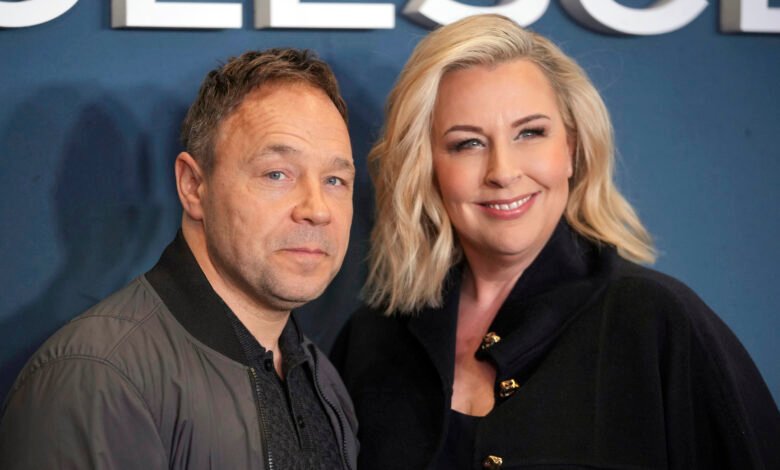
Introduction to Hannah Walters
Hannah Walters has steadily built a reputation as one of the most authentic and grounded performers in modern British television and film. Known for her natural acting style and emotionally resonant performances, she has carved out a niche that feels both relatable and powerful. Unlike many actors who rely on flashy roles, Walters has focused on depth, realism, and storytelling.
Her career reflects a commitment to meaningful projects rather than mainstream glamour. She often appears in productions that explore working-class life, social issues, and human complexity. This dedication has earned her respect among critics and audiences alike, even if she remains somewhat under the radar compared to bigger commercial stars.
Walters is also widely recognized for her collaborations with her husband, Stephen Graham. Together, they have worked on several acclaimed projects that highlight their shared passion for storytelling. Their creative partnership adds an extra layer of authenticity to their performances.
In this article, we’ll explore Hannah Walters’ journey in detail—from her early beginnings to her career highlights, acting style, personal life, and lasting influence on British entertainment.
Early Life and Background
Hannah Walters was born and raised in the United Kingdom, where she developed an early interest in performing arts. Growing up in a working-class environment, she was exposed to real-life stories and struggles that would later influence her acting choices. This background gave her a grounded perspective that continues to define her work.
From a young age, Walters showed a natural inclination toward acting. She pursued her passion through formal training, honing her skills and learning the craft in a disciplined environment. Hannah Walters Her education played a crucial role in shaping her understanding of character development and storytelling.
Unlike many actors who aim for instant fame, Walters took a steady and thoughtful approach to her career. She worked on smaller projects, gradually building her experience and refining her abilities. This slow but consistent growth helped her develop a strong foundation in acting.
Her early experiences also taught her resilience. Hannah Walters The entertainment industry is notoriously competitive, but Walters remained focused and determined. She prioritized authenticity over popularity, a decision that would later become a defining aspect of her career.
Breakthrough with This Is England
One of the most significant turning points in Hannah Walters’ career came with her involvement in the critically acclaimed project This Is England. Directed by Shane Meadows, the film and its subsequent TV series adaptations became a cultural phenomenon in the UK.
Walters played the role of Trudy, a character that quickly resonated with audiences. Her performance was both raw and relatable, capturing the complexities of relationships and identity. She brought depth to the role, making Trudy more than just a supporting character.
The success of This Is England extended beyond the original film. Walters reprised her role in follow-up series like This Is England ’86, This Is England ’88, and This Is England ’90. These series allowed her to explore her character over time, showcasing her range and consistency as an actress.
This project not only boosted her visibility but also established her as a serious performer. It demonstrated her ability to handle emotionally demanding roles and work within ensemble casts effectively.
Acting Style and Artistic Approach
Hannah Walters is known for her understated yet powerful acting style. She doesn’t rely on exaggerated expressions or dramatic gestures. Instead, she focuses on subtlety, allowing emotions to emerge naturally through her performance.
Her approach to acting is deeply rooted in realism. Walters often immerses herself in her characters, drawing from real-life experiences and observations. This method enables her to portray characters that feel genuine and relatable.
Another defining feature of her style is her ability to connect with the audience on an emotional level. Whether she’s playing a supportive friend or a complex individual, Walters brings a sense of honesty that resonates with viewers. Her performances often linger in the ذهن long after the scene ends.
She also excels in ensemble casts, where collaboration is key. Walters understands how to balance her presence without overshadowing others, contributing to the overall harmony of the production. This quality makes her a valuable asset in any project.
Collaboration with Stephen Graham
One of the most intriguing aspects of Hannah Walters’ career is her partnership with her husband, Stephen Graham. The couple has worked together on multiple projects, creating a unique dynamic that enhances their performances.
Their collaboration is built on mutual respect and understanding. Both actors share a passion for storytelling and a commitment to authenticity. This synergy is evident in their on-screen chemistry, which often feels natural and effortless.
They have appeared together in several notable productions, including Boiling Point and its related film adaptation Boiling Point. These projects showcase their ability to tackle intense and emotionally charged narratives.
Beyond acting, Walters and Graham are also involved in production work. They co-founded a production company, aiming to create opportunities for meaningful storytelling. This venture reflects their desire to contribute to the industry in a broader way.
Notable Roles and Career Highlights
In addition to This Is England, Hannah Walters has appeared in a variety of films and television shows that highlight her versatility. She has taken on roles across different genres, from drama to crime and everything in between.
Her work in Time further demonstrated her ability to handle complex narratives. The series, known for its intense portrayal of prison life, required strong performances from its cast, and Walters delivered with precision.
She also played a role in White House Farm, a gripping true-crime drama. Her performance added depth to the story, contributing to the show’s overall impact.
Another notable project is The Virtues, where she worked again with Shane Meadows and Stephen Graham. This series received critical acclaim for its emotional storytelling, and Walters’ involvement further solidified her reputation as a dependable actress.
Personal Life and Values
Hannah Walters leads a relatively private life, choosing to keep the focus on her work rather than her personal affairs. However, it is known that she values family, authenticity, and meaningful connections.
Her relationship with Stephen Graham is often highlighted as a strong and supportive partnership. Together, they navigate the challenges of the entertainment industry while maintaining a grounded lifestyle.
Walters is also passionate about storytelling that reflects real-life experiences. She is drawn to projects that explore social issues and human emotions, rather than purely commercial ventures. This preference aligns with her overall artistic philosophy.
Despite her success, she remains humble and approachable. This down-to-earth attitude has endeared her to colleagues and fans alike, making her a respected figure in the industry.
Influence on British Television and Film
Hannah Walters may not always be in the spotlight, but her impact on British television and film is undeniable. She represents a class of actors who prioritize quality over fame, contributing to the richness of the industry.
Her work often highlights underrepresented voices and stories. By choosing roles that reflect real-life struggles, Walters helps bring important narratives to a wider audience. This contribution is especially significant in an era where authenticity is increasingly valued.
She also serves as an inspiration for aspiring actors. Her career demonstrates that success doesn’t always require mainstream recognition. Instead, dedication, consistency, and passion can lead to a fulfilling and respected career.
Moreover, her involvement in production work suggests a commitment to shaping the future of storytelling. By creating opportunities for new voices, Walters is helping to ensure the continued evolution of British entertainment.
Future Prospects and Ongoing Projects
As of recent years, Hannah Walters continues to take on challenging and meaningful roles. Her career shows no signs of slowing down, as she remains actively involved in both acting and production.
With the success of projects like Boiling Point, she has gained increased visibility, opening the door to new opportunities. Fans and critics alike are eager to see what she will do next.
Her production company also plays a crucial role in her future plans. By developing original content, Walters has the chance to explore stories that might not otherwise be told. This creative freedom is likely to result in even more impactful work.
Looking ahead, it is clear that Hannah Walters will continue to be a significant presence in the industry. Whether on screen or behind the scenes, her contributions will shape the landscape of British storytelling for years to come.
Conclusion
Hannah Walters is a testament to the power of authenticity in acting. Her career, marked by thoughtful choices and compelling performances, reflects a deep commitment to storytelling.
From her early days to her breakthrough in This Is England and beyond, she has consistently delivered work that resonates with audiences. Her collaborations, particularly with Stephen Graham, have added another dimension to her career.
What sets Walters apart is her ability to remain grounded while achieving success. She focuses on meaningful projects, values collaboration, and continues to evolve as an artist.
In an industry often driven by fame and spectacle, Hannah Walters stands out as a true professional—one who prioritizes substance over style and leaves a lasting impact through her work.