Open Book Clipart: A Complete Guide to Creative Use, Design, and Inspiration

Introduction to Open Book Clipart
Open book clipart might seem like a simple visual element, but it carries a powerful message. It symbolizes knowledge, imagination, storytelling, and learning—all in one image. Whether you are a student, teacher, designer, or content creator, open book clipart can add depth and meaning to your work in a subtle yet effective way.
In this detailed guide, we’ll explore everything you need to know about open book clipart. From its uses and styles to design tips and creative ideas, this article will help you understand how to use it like a pro.
What Is Open Book Clipart and Why It Matters
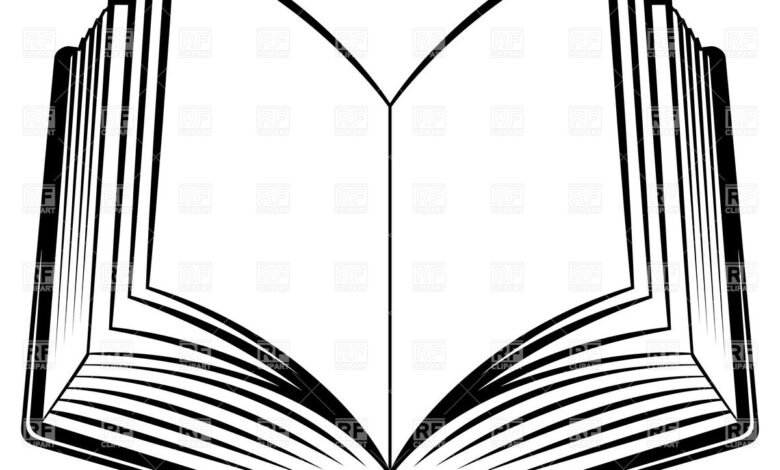
Open book clipart refers to a digital illustration of a book shown in an open position. Unlike realistic images or photographs, clipart is usually simplified, stylized, and easy to integrate into different types of designs.
First, open book clipart is widely used because it instantly communicates a clear idea. When people see an open book, they immediately think of reading, education, or knowledge. This makes it perfect for presentations, educational materials, and websites without needing much explanation.
Second, it is extremely versatile. You can use it in school projects, business presentations, blogs, posters, and even social media graphics. Its clean and adaptable design makes it suitable for both formal and casual contexts.
Another reason it matters is its ability to enhance visual storytelling. Instead of using plain text, adding an open book illustration makes your content more engaging and visually appealing. It helps break monotony and keeps readers interested.
Finally, open book clipart is easy to customize. Designers can change colors, add text, or combine it with other elements. This flexibility allows you to match it perfectly with your theme or brand identity.
Different Styles of Open Book Clipart
Open book clipart comes in a variety of styles, and choosing the right one depends on your project’s purpose and audience.
One common style is minimalist clipart. These designs use simple lines and basic shapes. They are perfect for professional presentations or modern websites where clean aesthetics matter.
Another popular style is cartoon clipart. These illustrations are colorful, fun, and often exaggerated. Teachers and students often use them in educational materials for younger audiences because they make learning more engaging.
There is also realistic clipart, which looks closer to actual books. These designs include details like shadows, textures, and pages. They work well for more formal or artistic projects where a touch of realism is needed.
Vintage or hand-drawn clipart is another interesting option. These styles give a classic and artistic feel. They are ideal for book-related content, storytelling themes, or creative writing projects.
Lastly, 3D-style clipart adds depth and dimension. These designs look modern and visually striking, making them suitable for digital marketing or high-impact presentations.
Common Uses of Open Book Clipart
Open book clipart is used across many fields, and its applications are almost endless.
In education, it is one of the most common visual tools. Teachers use it in worksheets, presentations, and classroom decorations. It helps reinforce the idea of learning and keeps materials visually appealing.
In blogging and content creation, open book clipart is often used in headers, thumbnails, and infographics. It adds a professional touch and makes the content more relatable, especially for topics related to knowledge or storytelling.
Businesses also use open book clipart in training materials and presentations. It symbolizes knowledge sharing, making it perfect for onboarding guides, manuals, and reports.
Graphic designers frequently include it in posters, flyers, and advertisements. It can represent education, creativity, or even inspiration, depending on how it is styled and used.
Social media creators use open book clipart in posts related to quotes, study tips, or motivational content. It helps visually connect the message with the theme of learning or personal growth.
How to Choose the Right Open Book Clipart
Selecting the right clipart is not just about picking something that looks good. You need to consider several factors to make the best choice.
First, think about your audience. If your content targets children, go for colorful and playful designs. For professionals, stick with clean and minimal styles.
Next, consider the purpose of your project. If you are creating an educational worksheet, a simple design works best. For marketing materials, you might want something more eye-catching.
Color is another important factor. Choose colors that match your overall theme or brand. Consistency in design makes your content look more polished and professional.
You should also pay attention to resolution and quality. Low-quality clipart can make your work look unprofessional. Always use high-resolution images, especially for print materials.
Finally, make sure the clipart fits well with other design elements. It should complement your text, fonts, and layout rather than clash with them.
Creative Ways to Use Open Book Clipart
If you want to stand out, you need to go beyond basic usage. Open book clipart can be used in many creative ways.
One idea is to use it as a background element. Place it behind text or combine it with other graphics to create a layered design. This adds depth and makes your content more visually interesting.
Another creative approach is to add text inside the open book. You can place quotes, titles, or key points on the pages, making it look like the book is “speaking” your message.
You can also animate open book clipart for digital content. Simple animations like page flipping or glowing effects can make your designs more engaging.
Combining it with other symbols is another great idea. For example, you can add icons like light bulbs, pencils, or graduation caps to enhance the theme of learning and creativity.
Finally, experiment with colors and styles. Don’t be afraid to customize the clipart to match your unique vision. Small changes can make a big difference in the final result.
Benefits of Using Open Book Clipart in Design
Using open book clipart offers several advantages that can improve your overall design quality.
First, it saves time. Instead of creating visuals from scratch, you can use ready-made clipart to quickly enhance your content.
Second, it improves communication. Visual elements make it easier for people to understand your message. An open book instantly conveys ideas related to knowledge and learning.
Another benefit is increased engagement. People are naturally drawn to visuals. Adding clipart makes your content more attractive and keeps your audience interested.
It also enhances professionalism. Well-chosen clipart can make your work look more polished and organized, which is especially important for business or academic projects.
Lastly, it adds creativity. Even simple designs can become more dynamic and interesting with the right clipart.
Tips for Designing with Open Book Clipart
To get the best results, you need to use open book clipart effectively. Here are some practical tips.
Start with a clear layout. Decide where the clipart will go and how it will interact with other elements. Avoid cluttering your design with too many visuals.
Keep it balanced. Make sure the clipart does not overpower your text. Both elements should complement each other.
Use consistent styling. If you are using multiple clipart images, make sure they follow the same style and color scheme. This creates a cohesive look.
Pay attention to spacing. Proper spacing makes your design easier to read and more visually appealing.
Test different variations. Try different sizes, positions, and colors to see what works best. Sometimes small adjustments can significantly improve your design.
Where to Find High-Quality Open Book Clipart
Finding the right clipart is just as important as knowing how to use it.
Many online platforms offer free and premium clipart. Open Book Clipart Free options are great for beginners or small projects, while premium resources usually provide higher quality and more unique designs.
Look for websites that offer vector formats like SVG or AI. These formats allow you to resize and edit the clipart without losing quality.
Make sure to check licensing terms. Some clipart is free for personal use but requires payment for commercial use. Always follow the rules to avoid legal issues.
You can also create your own clipart using design software. This gives you complete control over the style and ensures your work is unique.
Finally, save your favorite resources for future use. Having a collection of reliable clipart sources can save you time in the long run.
Conclusion:
Open book clipart may seem simple, but it is a powerful design tool when used correctly. It communicates ideas quickly, enhances visual appeal, and adds a professional touch to any project.
By understanding different styles, uses, and design techniques, you can make the most out of this versatile element. Whether you are creating educational content, marketing materials, or personal projects, open book clipart can elevate your work to the next level.
The key is to use it thoughtfully. Choose the right style, keep your design balanced, and don’t be afraid to experiment. With a little creativity, even a simple open book illustration can make a big impact.
In the end, open book clipart is more than just an image—it is a symbol of knowledge, creativity, and endless possibilities.