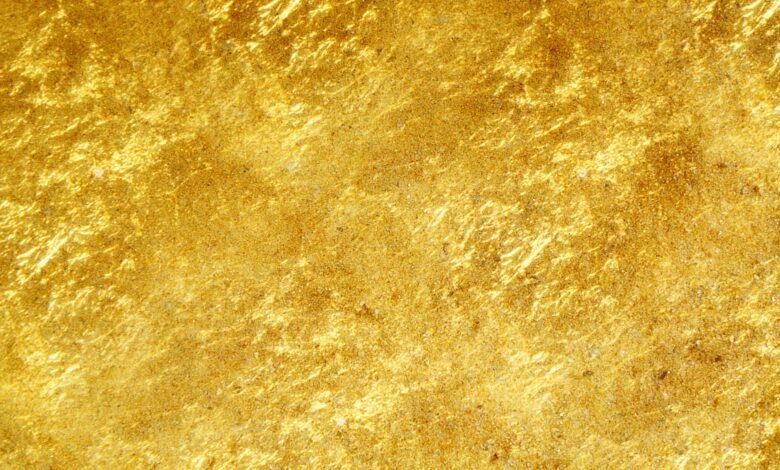
Introduction to Gold Texture
Gold texture is more than just a visual style—it’s a symbol of elegance, luxury, and timeless appeal. From ancient civilizations to modern digital design, gold has always held a special place in human creativity. Whether you’re working on graphic design, interior decoration, branding, or art, understanding gold texture can elevate your work instantly.
In this in-depth guide, we’ll explore everything about gold textur—what it is, its different types, how it’s used, and how you can create or apply it effectively. This article is written in a clear, skimmable, and expert yet casual tone to help you understand and use gold texture like a pro.
What Is Gold Texture?
Gold texture refers to the visual and tactile appearance of gold surfaces, whether real or simulated. It captures how gold reflects light, how it feels, and how it behaves under different conditions. Designers often use gold textur to mimic real gold in digital or physical projects.
Gold textur is not just about color. It includes shine, depth, reflection, and even imperfections. A flat yellow color does not represent gold. Instead, gold textur involves gradients, highlights, shadows, and patterns that create a realistic or stylized gold effect.
In design, gold texture can be smooth and polished or rough and distressed. Each variation creates a different mood. For example, a shiny gold textur feels luxurious, while a worn gold textur may feel vintage or antique.
Understanding gold texture helps you choose the right style for your project. Whether you want a premium look or a rustic feel, the texture plays a key role in the final result.
The Visual Characteristics of Gold Texture
Gold texture stands out because of its unique visual properties. One of the most important characteristics is its reflective quality. Gold reflects light in a warm, rich way that immediately draws attention.
Another key feature is its gradient effect. Real gold is never a single flat color. It shifts between darker and lighter shades depending on the angle of light. This gradient creates depth and realism.
Gold textur also includes subtle imperfections. Even polished gold surfaces can have tiny scratches or variations. These details make the texture feel more authentic rather than artificial.
Finally, gold textur often has a metallic sheen. This sheen gives it a glowing effect, making it appear vibrant and dynamic. When used correctly, it can make any design look more premium and visually appealing.
Types of Gold Texture
There are several types of gold textures, each with its own style and purpose. Choosing the right one depends on your project and the mood you want to create.
Polished Gold Texture
Polished gold is smooth and highly reflective. It looks clean, modern, and luxurious. Designers often use it in branding, logos, and high-end product packaging.
This type of texture works best when you want a sleek and professional look. It pairs well with dark backgrounds like black or navy to enhance contrast.
Brushed Gold Texture
Brushed gold has fine lines running across the surface. These lines reduce the shine slightly and add a subtle texture.
It feels more understated compared to polished gold. Designers use brushed gold in interiors, UI design, and minimalistic branding.
Matte Gold Texture
Matte gold lacks shine and reflection. It appears soft and muted while still maintaining a golden tone.
This texture works well for modern and elegant designs that avoid excessive shine. It’s perfect for backgrounds, typography, and subtle accents.
Antique Gold Texture
Antique gold has a worn and aged appearance. It often includes darker tones, scratches, and irregularities.
This type of texture is ideal for vintage designs, historical themes, and artistic projects. It adds character and depth to your work.
Glitter Gold Texture
Glitter gold sparkles with tiny reflective particles. It’s bold, eye-catching, and energetic.
Designers use glitter gold for festive designs, invitations, social media graphics, and anything that needs a fun and glamorous touch.
Why Gold Texture Is So Popular in Design
Gold texture remains one of the most popular design elements because it instantly communicates value and prestige. People naturally associate gold with wealth, success, and quality.
Another reason for its popularity is versatility. Gold textur works across many industries, including fashion, branding, web design, and interior decoration. It adapts easily to both modern and traditional styles.
Gold texture also creates strong visual contrast. When placed against darker or neutral backgrounds, it stands out beautifully. This makes it perfect for highlighting important elements like logos or headlines.
Finally, gold texture adds emotional appeal. It makes designs feel special, celebratory, and memorable. This emotional connection is why brands often use gold to create a premium experience.
How to Use Gold Texture in Graphic Design
Using gold texture effectively requires balance and intention. Overusing it can make your design look cluttered, while proper use can make it stand out.
Start by using gold textur as an accent rather than the main element. For example, apply it to text, borders, or icons instead of the entire background.
Pay attention to contrast. Gold works best when paired with dark or neutral colors. Black, white, and deep blue are excellent choices that enhance the gold effect.
Lighting and shading are also important. Use gradients and highlights to mimic how real gold reflects light. This adds depth and realism to your design.
Finally, keep your audience in mind. If you’re designing for a luxury brand, polished gold may work best. For a creative or artistic project, a textured or antique gold might be more suitable.
Gold Texture in Interior Design
Gold texture is not limited to digital design—it plays a major role in interior decoration as well. It adds warmth, richness, and sophistication to any space.
In interiors, gold textur often appears in fixtures, furniture, and decorative elements. Items like lamps, mirrors, and frames can feature gold finishes to enhance the overall look.
Balance is key when using gold in interiors. Too much gold can feel overwhelming. Instead, use it as an accent to complement other materials like wood, marble, or glass.
Gold texture also works well with different styles. In modern interiors, it adds a sleek touch. In traditional settings, it enhances elegance and luxury.
How to Create Gold Texture Digitally
Creating gold texture digitally involves combining color, gradients, and effects. Start with a base color that resembles gold, usually a warm yellow with hints of orange.
Next, add gradients to simulate light reflection. Use multiple shades of gold to create depth. Highlights and shadows are essential for realism.
You can also use texture overlays. These overlays add details like scratches, grain, or glitter, depending on the style you want.
Experiment with blending modes and lighting effects. These tools help you achieve a metallic look that feels realistic and visually appealing.
Practice is important. The more you experiment, the better you’ll understand how to create convincing gold textures.
Common Mistakes to Avoid
One of the biggest mistakes is using flat yellow instead of a true gold textur. Without gradients and highlights, the design looks unrealistic.
Another mistake is overusing gold. While it looks luxurious, too much of it can overwhelm the design and reduce its impact.
Ignoring lighting is also a common issue. Gold texture depends heavily on how light interacts with it. Without proper shading, it won’t look convincing.
Lastly, using low-quality textures can ruin your design. Always choose high-resolution textures to maintain a professional appearance.
Conclusion:
Gold texture is a powerful design element that can transform ordinary visuals into something extraordinary. Its ability to convey luxury, elegance, and value makes it a favorite among designers and creatives.
By understanding its characteristics, types, and applications, you can use gold texture more effectively in your projects. Whether you’re working on digital graphics, branding, or interior design, gold textur offers endless possibilities.
Remember to use it thoughtfully. Focus on balance, contrast, and realism. When used correctly, gold texture doesn’t just enhance your design—it elevates it.
With the right approach, you can harness the beauty of gold textur and create designs that truly stand out.