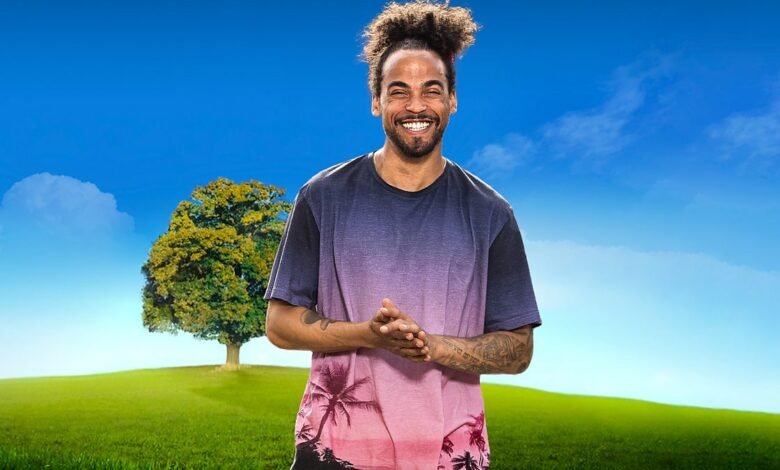
Introduction to Dev Griffin
When you hear the name Dev Griffin, you probably think of radio. But his story is more than that. It’s a journey of passion, creativity, and connecting with people through music and media. Let’s dive deep into his life, career, and achievements.
Early Life of Dev Griffin
Dev Griffin was born in Bristol, England. From a young age, he loved music and storytelling. Friends say he could make anyone laugh or think with just a few words. These early skills shaped his future in media.
- Born: Bristol, England
- Interests: Music, radio, storytelling
- Early inspiration: Local DJs and presenters
He started listening to radio shows as a child. Little did he know, one day he would be on air himself.
The Start of His Radio Career
Dev’s first big break came in his teens. He joined a local radio station, learning the ropes of broadcasting. He learned how to speak clearly, entertain, and connect with listeners.
- First station: Local Bristol radio
- Skills developed: Speaking, presenting, interviewing
- Early shows: Music hours and talk segments
He quickly became known for his friendly voice and quick humor.
Rise to Fame at BBC Radio 1
The real turning point came when [Dev Griffin] joined BBC Radio 1. Here, he reached a national audience and started shaping his unique style.
H3: Popular Shows and Segments
- Weekend breakfast shows
- Specialty music hours
- Celebrity interviews
Listeners loved his energy. Dev’s personality made every show feel personal and fun. He didn’t just play music; he created experiences.
His Style and Approach
What sets Dev apart is his approachable style. He talks to listeners like friends, not just an audience.
- Casual, friendly tone
- Humor mixed with insight
- Engages with listeners live
This makes him relatable. People tune in not just for the music but to hear Dev’s thoughts and stories.
Transition to Digital Media
Radio isn’t the only place Dev shines. He embraced podcasts, streaming, and social media early on. This kept him relevant in a fast-changing media world.
- Podcasts: Engaging, story-driven shows
- Social media: Interacting with fans
- Online content: Behind-the-scenes, music insights
He understands that connecting with an audience now happens online as much as on air.
Memorable Interviews
Dev has interviewed top artists and celebrities. His style makes interviewees comfortable, leading to genuine conversations.
- Famous interviews: Musicians, actors, influencers
- Approach: Friendly, curious, non-intrusive
- Outcome: Authentic, memorable moments
Fans appreciate these interviews because they reveal a side of celebrities rarely seen elsewhere.
Awards and Recognition
Over the years, [Dev Griffin] has earned awards for his radio shows and digital content.
- National radio awards
- Podcasting honors
- Fan-voted recognitions
His consistency and genuine approach have earned him respect across the media industry.
Life Outside Broadcasting
Dev’s personality isn’t limited to the studio. He enjoys:
- Traveling to discover new music
- Charity events and community work
- Sharing personal experiences to inspire others
This human side makes him more than just a voice on the radio—it makes him relatable and inspiring.
Advice for Aspiring Broadcasters
Dev often shares tips for young people who want to join media:
- Be yourself: Authenticity connects with listeners.
- Practice speaking: Clarity and confidence are key.
- Stay curious: Always learn about music and culture.
- Engage with your audience: People remember genuine interaction.
These tips reflect his philosophy: media isn’t just about content—it’s about connection.
Dev Griffin on Social Media
He’s active on Instagram, Twitter, and TikTok. Fans love his behind-the-scenes posts and candid moments.
- Instagram: Visual storytelling
- Twitter: Quick thoughts and humor
- TikTok: Music challenges and trends
Social media allows him to reach younger audiences while keeping loyal fans engaged.
Memorable Moments in Career
Some highlights of Dev’s career include:
- Hosting large-scale music events
- Special radio shows with live audience interaction
- Charity fundraising broadcasts
Each moment shows his dedication and love for the craft.
Lessons from Dev Griffin
- Consistency pays off: Regularly delivering quality content builds trust.
- Adaptability is key: Embrace digital platforms to stay relevant.
- Human connection matters: Listeners value genuine communication.
FAQs About Dev Griffin
Q1: Who is Dev Griffin?
A: Dev Griffin is a British radio DJ, presenter, and media personality known for his engaging style.
Q2: Where did Dev Griffin start his career?
A: He began at a local radio station in Bristol before joining BBC Radio 1.
Q3: What type of shows does Dev host?
A: He hosts music shows, celebrity interviews, podcasts, and special events.
Q4: Is Dev active on social media?
A: Yes, he interacts with fans on Instagram, Twitter, and TikTok.
Q5: Has Dev won any awards?
A: Yes, he has received national radio awards and fan-voted recognitions.
Q6: What advice does Dev give to aspiring broadcasters?
A: Be authentic, practice speaking, stay curious, and engage with your audience.
Conclusion
Dev Griffin is more than a radio DJ. He’s a storyteller, a connector, and an influencer in music and media. His journey teaches us that passion, authenticity, and adaptability are key to success. Whether you’re a listener, fan, or aspiring broadcaster, there’s a lot to learn from Dev’s approach. Tune in, be inspired, and maybe even start your own journey in media.