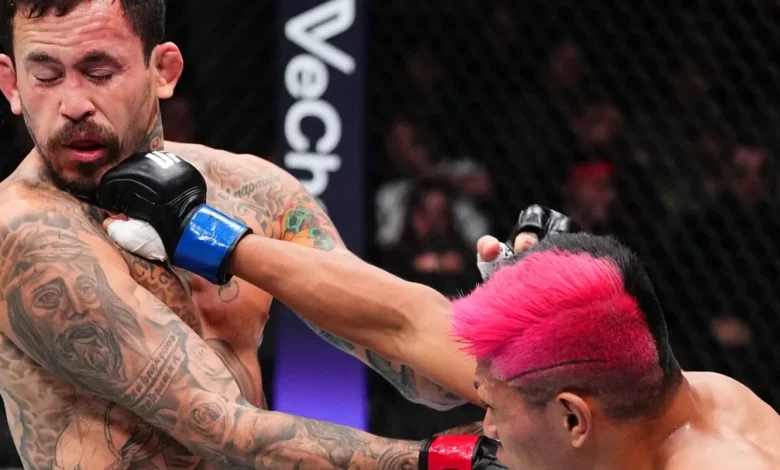
Introduction to MMA Junkie
Mixed Martial Arts (MMA) has grown from a niche combat sport into a global phenomenon. MMA Junkie Millions of fans follow the action, analyze fights, and discuss fighters every day. As the sport grew, the need for reliable and engaging MMA journalism also increased. One platform that consistently delivers comprehensive coverage is MMA Junkie.
MMA Junkie has become one of the most trusted sources for MMA news, fight analysis, event coverage, and fighter interviews. Whether fans want breaking news, expert opinions, or behind-the-scenes stories, the platform offers everything in one place.
This article explores the story of MMA Junkie, its impact on MMA journalism, and why it continues to attract a loyal audience worldwide.
The Origins and History of MMA Junkie
MMA Junkie began as a passion project for dedicated MMA enthusiasts who wanted to create a platform focused entirely on the sport. In the early days of MMA, media coverage was limited, and fans struggled to find reliable information. The founders saw this gap and created a website that provided accurate news and thoughtful analysis.
At the beginning, the website focused mainly on fight results, rumors, and small updates from MMA events. However, the team quickly realized that fans wanted deeper insights. They began publishing interviews, fighter profiles, and detailed fight previews. This approach helped the site stand out from basic sports news outlets.
As MMA grew in popularity, the platform expanded its coverage significantly. Major promotions like the Ultimate Fighting Championship (UFC) started gaining mainstream attention, and MMA Junkie positioned itself as a primary source for updates and commentary. The site’s writers attended events, spoke with fighters, and delivered firsthand reporting.
Over time, MMA Junkie developed a strong reputation in the sports journalism community. Fans appreciated its consistent reporting style and balanced perspectives. What started as a small fan-driven website eventually became one of the most influential voices in MMA media.
What Makes MMA Junkie Unique in MMA Media
Many websites cover MMA today, but MMA Junkie stands out for several reasons. The platform combines professional journalism with a genuine passion for the sport. Readers feel that the writers truly understand MMA culture and respect the athletes.
One of the most important qualities of the site is its reliability. In the world of sports news, rumors spread quickly, and misinformation can damage credibility. MMA Junkie focuses on confirmed news and trustworthy sources, which helps it maintain a strong reputation among fans.
Another factor that sets the platform apart is its detailed event coverage. When a major fight card takes place, the site provides live updates, post-fight analysis, and reactions from fighters and coaches. This comprehensive coverage allows fans to experience events even if they cannot watch them live.
Additionally, the site maintains a consistent voice. Articles remain easy to read and informative, even when discussing complex topics such as fighter contracts, rankings, or training strategies. This accessibility attracts both hardcore MMA followers and casual fans.
Coverage of Major MMA Events and Fighters
One of the strongest aspects of MMA Junkie is its coverage of major MMA events. Whenever a big fight night approaches, fans can find previews, predictions, and fighter breakdowns on the site. These articles help readers understand the strengths and weaknesses of each competitor.
Event coverage usually begins weeks before the fight takes place. Writers analyze training camps, recent performances, and stylistic matchups. By the time the event arrives, readers already have a deep understanding of what might happen inside the cage.
During the event itself, the site provides live results and updates. Fans often follow along through the platform’s live blogs or social media posts. This real-time coverage creates an interactive experience for readers who enjoy discussing fights as they unfold.
After the event ends, the coverage continues. Writers publish fight analysis, highlight standout performances, and discuss what the results mean for each fighter’s future. This ongoing discussion keeps fans engaged long after the final fight finishes.
Fighter Interviews and Behind-the-Scenes Stories
One of the most engaging parts of MMA journalism is the opportunity to hear directly from fighters. MMA Junkie regularly conducts interviews with athletes, coaches, and promoters. These conversations reveal insights that fans rarely see during televised broadcasts.
Interviews often focus on a fighter’s training camp, mental preparation, and strategy for upcoming bouts. These details allow readers to understand the dedication required to compete at the highest level of MMA. Fighters often share personal stories about injuries, sacrifices, and career challenges.
The platform also highlights behind-the-scenes moments in the sport. For example, writers might discuss how fighters recover after tough losses or how newcomers prepare for their first major promotion appearance. These stories humanize the athletes and show the realities of professional fighting.
Fans appreciate these interviews because they offer authenticity. Instead of relying solely on statistics or fight results, the platform shows the personalities and motivations behind each competitor.
The Role of MMA Junkie in Modern Sports Journalism
Sports journalism continues to evolve as digital platforms grow. MMA Junkie represents a modern approach to covering combat sports. Instead of relying only on traditional articles, the platform uses multiple formats to connect with audiences.
The site publishes written news stories, opinion pieces, and in-depth analysis. At the same time, it also produces podcasts, video interviews, and social media updates. This variety ensures that fans can consume content in whichever format they prefer.
Another important role of the platform is shaping MMA conversations. Articles often spark debates about rankings, fight matchmaking, or controversial decisions. Fans discuss these topics online and share their opinions across forums and social networks.
By providing consistent coverage and thoughtful commentary, the site influences how fans understand the sport. Journalists highlight important issues such as fighter pay, safety concerns, and regulatory developments. This kind of reporting helps the MMA community stay informed about the sport’s evolution.
Why Fans Trust and Follow MMA Junkie
Trust plays a huge role in sports media. Fans want accurate information, fair analysis, and respectful coverage of athletes. MMA Junkie has built trust by maintaining high editorial standards for many years.
The site avoids sensational headlines that exaggerate rumors. Instead, it focuses on clear reporting and verified details. Readers appreciate this responsible approach because it reduces confusion and misinformation.
Consistency also contributes to its loyal audience. The platform publishes content regularly, ensuring that fans always have something new to read. Whether it is breaking news or a thoughtful feature story, the site rarely leaves its audience waiting for updates.
Finally, the platform maintains a strong connection with the MMA community. Writers interact with fans on social media, respond to questions, and participate in discussions. This interaction makes readers feel like they are part of the conversation rather than just passive consumers.
The Future of MMA Junkie and MMA Media
The future of MMA journalism looks exciting, and MMA Junkie will likely continue playing an important role in it. As the sport expands globally, demand for detailed coverage will increase. New fighters, promotions, and events will create more stories for journalists to explore.
Technology will also influence how fans experience MMA news. Podcasts, video analysis, and interactive content are becoming more popular. Platforms like MMA Junkie are well positioned to adapt because they already use multiple media formats.
Another opportunity lies in international coverage. MMA continues to grow in regions such as Asia, Europe, and South America. Expanding coverage of these markets could help the platform attract an even larger global audience.
Despite changes in media technology, one principle will remain essential: quality journalism. If MMA Junkie continues focusing on accuracy, thoughtful analysis, and engaging storytelling, it will remain a trusted destination for MMA fans for years to come.
Conclusion
MMA Junkie has grown from a small fan-driven website into one of the most respected sources for MMA news and analysis. Through consistent reporting, detailed event coverage, and authentic fighter interviews, the platform has earned the trust of fans around the world.
The site stands out because it balances professional journalism with a genuine love for the sport. Writers understand MMA culture and present information in a way that both experts and casual fans can enjoy.
As mixed martial arts continues to evolve, the need for reliable media coverage will only increase. Platforms like MMA Junkie help fans stay connected to the sport, understand its complexities, and appreciate the athletes who step into the cage.
For anyone who follows MMA closely—or even someone just starting to explore the sport—MMA Junkie remains a valuable resource that delivers insight, excitement, and a deeper understanding of the world of mixed martial arts.