Introduction to Memphis
When people talk about cities with personality, Memphis always makes the list. Located along the mighty Mississippi River, Memphis is not just a place—it’s a feeling. The city blends history, music, culture, and resilience in a way that few places can match.
Memphis stands as one of the most influential cultural centers in the United States. It has shaped global music, played a critical role in civil rights, and built a legacy rooted in creativity and determination. Whether you’re drawn to its blues heritage or its Southern charm, Memphs offers something meaningful for everyone.
What makes Memphi truly unique is its authenticity. It doesn’t try to imitate other cities—it proudly embraces its own identity. From historic neighborhoods to modern attractions, the city reflects a balance between honoring the past and moving toward the future.
In this article, we’ll explore Memphs in depth—from its rich history and music scene to its food, culture, and modern-day significance. By the end, you’ll understand why Memphis holds such a special place in American history and global culture.
The Historical Roots of Memphis
Memphis has a long and layered history that dates back centuries. Founded in 1819, the city quickly became an important hub due to its strategic location along the Mississippi River. This positioning allowed Memphs to thrive as a center for trade, agriculture, and transportation.
During the 19th century, Memphs played a major role in the cotton economy. The city grew rapidly as cotton plantations expanded across the South. While this brought wealth and development, it also tied Memphis deeply to the institution of slavery, leaving a complex legacy that still resonates today.
The Civil War marked a turning point for Memphs. After being captured by Union forces, the city became a key military and economic center. The aftermath of the war brought significant social and economic changes, shaping Memphi into a more diverse and evolving urban environment.
One of the most defining chapters in Memphis history is its role in the Civil Rights Movement. The tragic assassination of Martin Luther King Jr. in 1968 at the Lorraine Motel brought global attention to the city. Today, this site is home to the National Civil Rights Museum, which preserves and tells the story of the struggle for equality.
Memphis and the Birth of Modern Music
If Memphis had only one claim to fame, its contribution to music would be enough to make it legendary. The city is widely known as the birthplace of blues, rock ‘n’ roll, and soul music.
In the early 20th century, Memphs became a melting pot of musical influences. African American communities brought blues and gospel traditions, while other cultural influences added layers to the city’s evolving sound. This fusion created something entirely new and powerful.
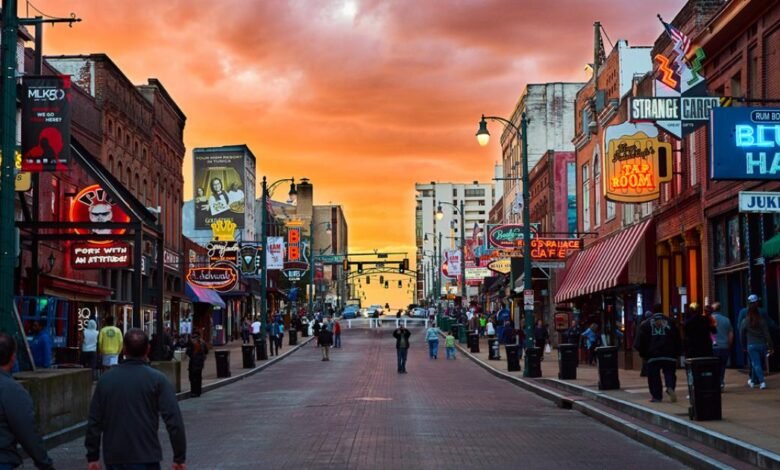
One of the most iconic places in music history is Beale Street. Known as the “Home of the Blues,” Beale Street has hosted countless legendary musicians. Walking down this street today still feels like stepping into a living piece of music history.
Memphs also gave the world legendary artists like Elvis Presley, who recorded at Sun Studio. Often called the “Birthplace of Rock ‘n’ Roll,” Sun Studio helped launch the careers of several iconic musicians and cemented Memphis as a global music capital.
The Cultural Identity of Memphis
Memphis culture is deeply rooted in its people, traditions, and shared experiences. It reflects a blend of Southern hospitality, African American heritage, and creative expression.
One of the most defining aspects of Memphs culture is its storytelling. Whether through music, art, or everyday conversation, people in Memphi have a way of sharing stories that feel both personal and universal. This storytelling tradition keeps the city’s history alive.
Art plays a significant role in Memphis as well. From murals to galleries, the city is full of visual expressions that capture its spirit. Local artists often draw inspiration from Memphs’s past, creating works that honor its legacy while pushing boundaries.
Festivals and community events further highlight Memphis’s cultural vibrancy. Events celebrating music, food, and history bring people together and showcase the city’s diversity. These gatherings create a sense of unity and pride that defines Memphis life.
Memphis Cuisine: A Flavorful Experience
Memphis is a paradise for food lovers, especially those who appreciate bold and smoky flavors. The city is best known for its barbecue, which is considered among the finest in the world.
Memphi-style barbecue focuses heavily on pork, particularly ribs and pulled pork. What sets it apart is the use of dry rubs—spice blends that create a rich and flavorful crust. While sauces are available, the meat itself is the star of the show.
Another iconic dish is the Memphs barbecue sandwich, often served with coleslaw. This combination of smoky meat and crunchy slaw creates a perfect balance of flavors and textures. It’s a must-try for anyone visiting the city.
Beyond barbecue, Memphis offers a wide range of Southern comfort foods. From fried chicken to sweet potato pie, the city’s culinary scene reflects its cultural diversity and love for hearty, satisfying meals.
Landmarks and Attractions in Memphis
Memphis is home to several iconic landmarks that attract visitors from around the world. These sites offer a glimpse into the city’s history, culture, and creativity.
One of the most famous attractions is Graceland, the former home of Elvis Presley. This estate has become a pilgrimage site for fans and remains one of the most visited homes in the United States.
Another must-visit location is the Mississippi River waterfront. The river has played a crucial role in Memphs’s development and continues to be a central feature of the city’s identity.
The Memphi Zoo is also a popular attraction, offering a fun and educational experience for families. Known for its conservation efforts, the zoo reflects Memphs’s commitment to environmental awareness.
These landmarks, along with many others, make Memphis a city full of discovery. Each site tells a story and adds to the rich tapestry of the city’s character.
The Modern Economy of Memphis
Today, Memphis is more than just a cultural hub—it’s also an important economic center. The city has diversified its economy, moving beyond its historical reliance on agriculture.
One of the key drivers of Memphs’s economy is logistics and transportation. Thanks to its central location and access to major highways, railways, and the Mississippi River, Memphis has become a major distribution hub.
Companies like FedEx have their headquarters in Memphi, further strengthening its position in the logistics industry. The presence of such companies creates jobs and supports economic growth.
Healthcare and education are also significant sectors in Memphis. Institutions like St. Jude Children’s Research Hospital contribute to both the local economy and global advancements in medicine.
Challenges and Resilience
Like any city with a long history, Memphis has faced its share of challenges. Economic inequality, crime, and social issues have been ongoing concerns for residents and leaders alike.
However, what stands out about Memphs is its resilience. The city has consistently worked to address its challenges through community initiatives, policy changes, and grassroots efforts.
Local organizations and leaders continue to push for progress in areas such as education, housing, and public safety. These efforts reflect a commitment to building a better future for all residents.
Memphis’s ability to adapt and persevere is a testament to the strength of its people. Despite obstacles, the city continues to grow and evolve while staying true to its roots.
Why Memphis Still Matters Today
Memphis remains relevant today because of its enduring influence on culture, music, and history. Its contributions continue to shape the world in meaningful ways.
The city’s music legacy lives on through modern artists who draw inspiration from its rich traditions. Memphi continues to produce talent and maintain its reputation as a creative powerhouse.
Its historical significance also ensures that Memphs remains an important place for reflection and learning. Sites like the National Civil Rights Museum remind visitors of the ongoing journey toward equality and justice.
Ultimately, Memphis matters because it tells a story—a story of struggle, creativity, resilience, and hope. It’s a city that doesn’t just exist; it inspires.
Conclusion
Memphis is more than a destination—it’s an experience. From its deep historical roots to its vibrant cultural scene, the city offers a unique blend of past and present.
Whether you’re exploring its music heritage, tasting its famous barbecue, or learning about its role in civil rights, Memphis leaves a lasting impression. It’s a city that invites you to feel, learn, and connect.
In a world where many places try to stand out, Memphis does so effortlessly. Its authenticity, creativity, and resilience make it truly unforgettable.
If you want to understand the heart and soul of America, Memphis is a place you simply cannot ignore.