Dudleya: The Complete Guide to Growing and Understanding These Stunning Succulents

Introduction to Dudleya
Dudleya is one of those plant groups that quietly impresses. It doesn’t scream for attention like brightly colored flowers, yet once you notice it, you realize how unique and elegant it truly is. Native mainly to the western regions of North America, especially coastal California and parts of Mexico, Dudleya plants have developed a reputation among plant enthusiasts for their sculptural beauty, resilience, and subtle charm.
In this article, we’ll explore everything you need to know about Dudleya—from its origins and varieties to care tips, propagation, and even conservation concerns. Whether you’re a beginner or a seasoned plant lover, this guide will give you a clear and practical understanding of these fascinating succulents.
What Is Dudleya? A Closer Look at This Unique Succulent Genus
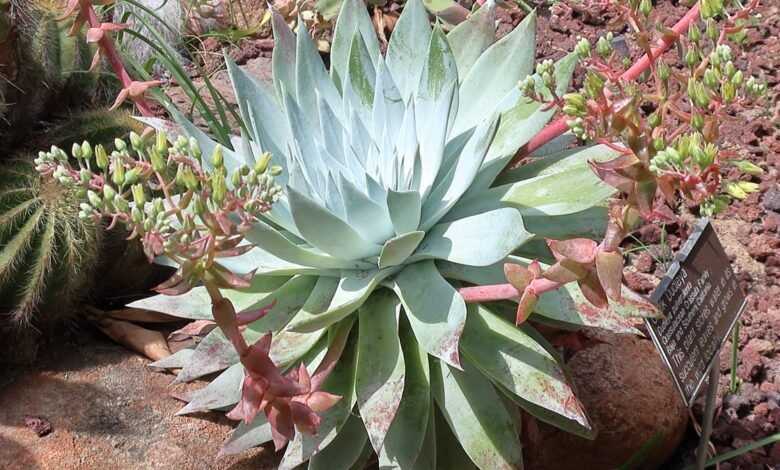
Dudleya is a genus of succulent plants known for its rosette-shaped leaves and drought-tolerant nature. At first glance, many people confuse it with Echeveria, but Dudley has its own distinct identity. The leaves are often chalky, powdery, or wax-coated, giving them a soft, matte finish that reflects sunlight and reduces water loss.
These plants are naturally adapted to harsh environments. You’ll often find them growing on rocky cliffs, steep slopes, or coastal bluffs where soil is minimal and conditions are dry. This resilience is part of what makes Dudleya so appealing—it thrives where many other plants struggle.
Another interesting aspect of Dudley is its seasonal growth pattern. Unlike many common houseplants, Dudleya tends to grow during cooler months and go dormant in the heat of summer. This inverted cycle can surprise beginners, but once you understand it, caring for Dudley becomes much easier.
Dudleya plants also produce beautiful flowers. These typically grow on tall stalks and can be white, yellow, pink, or red depending on the species. While the flowers are not the main attraction, they add an extra layer of elegance to an already striking plant.
Popular Dudleya Species You Should Know
There are over 40 recognized species of Dudleya, each with its own unique appearance and growth habits. While all share certain characteristics, some are more popular among gardeners and collectors due to their visual appeal and adaptability.
One of the most well-known species is Dudley farinosa, often called the bluff lettuce. It features pale, powdery leaves arranged in a tight rosette. This species is especially common along coastal cliffs and is admired for its silvery appearance.
Another favorite is Dudleya brittonii, sometimes referred to as giant chalk Dudleya. It has large, thick leaves covered in a white, chalk-like coating. This coating not only looks beautiful but also protects the plant from intense sunlight.
Dudley cymosa is also widely appreciated. It tends to be smaller and produces bright, colorful flowers that stand out against its compact rosette. This species is often easier to grow in containers, making it a great option for indoor or patio gardening.
Then there’s Dudleya edulis, known for its finger-like leaves. Unlike the typical rosette shape, this species has elongated leaves that create a more unusual and architectural look. It’s perfect for those who want something a little different in their plant collection.
Natural Habitat and Growth Conditions
Understanding where Dudleya comes from is key to growing it successfully. These plants are native to regions with mild, wet winters and hot, dry summers. Coastal fog often provides additional moisture without heavy rainfall, which helps the plants survive in otherwise arid environments.
Dudley typically grows in rocky or sandy soils with excellent drainage. Water does not linger in these environments, which prevents root rot—a common issue with succulents. This means that when you grow Dudleya at home, you should always prioritize well-draining soil.
Sunlight is another important factor. In the wild, Dudley receives plenty of light but often benefits from some natural protection, such as fog or partial shade from surrounding rocks. Too much direct, intense sunlight—especially in hotter climates—can cause stress or leaf damage.
Temperature also plays a role. Dudleya prefers moderate temperatures and does not tolerate extreme cold or frost very well. However, it is more tolerant of cooler conditions than many other succulents, which makes it suitable for a wider range of environments.
How to Grow Dudleya Successfully at Home
Growing Dudleya at home can be incredibly rewarding if you understand its needs. The key is to mimic its natural habitat as closely as possible while adapting to your local conditions.
Start with the right soil. Use a cactus or succulent mix that drains quickly. You can improve drainage by adding sand, perlite, or pumice. Avoid heavy soils that retain moisture, as this can lead to root rot.
Watering is where many people go wrong. Dudley does not like frequent watering, especially during its dormant period in summer. Water sparingly and allow the soil to dry out completely between waterings. During its active growth phase in cooler months, you can increase watering slightly but still avoid overwatering.
Lighting is also crucial. Place your Dudleya in a bright location with indirect sunlight. Morning sun is usually safe, but harsh afternoon sun may be too intense in hotter regions. If you’re growing it indoors, a south- or east-facing window works well.
Air circulation is often overlooked but important. Dudleya prefers good airflow, which helps prevent fungal issues and keeps the plant healthy. Avoid placing it in cramped or overly humid spaces.
Dudleya Care Tips: Keeping Your Plant Healthy
Caring for Dudleya is relatively simple once you understand its rhythm. The most important thing is to respect its natural growth cycle and avoid treating it like a typical houseplant.
One key tip is to avoid touching the leaves too much. Many Dudley species have a powdery coating called farina, which protects the plant from sunburn and dehydration. Touching the leaves can remove this coating and reduce the plant’s ability to thrive.
Fertilizing is not usually necessary. Dudley grows in nutrient-poor environments, so adding too much fertilizer can actually harm it. If you do choose to fertilize, use a diluted succulent fertilizer during the active growing season.
Repotting should be done carefully. Dudleya does not like being disturbed, so only repot when necessary—such as when the plant has outgrown its container or the soil has degraded. Handle the roots gently and avoid breaking the rosette.
Pest problems are relatively rare, but you may occasionally encounter issues like aphids or mealybugs. These can be treated with gentle methods such as rinsing with water or using a mild insecticidal soap.
Propagation: How to Multiply Your Dudleya Plants
Propagation is a great way to expand your Dudleya collection or share it with others. However, it requires patience and careful handling.
One common method is through seeds. Dudley produces seeds after flowering, and these can be collected and planted. This method takes time, as seedlings grow slowly, but it allows you to grow multiple plants at once.
Another method is through offsets, also known as pups. Some Dudleya species produce small offshoots around the base of the main plant. These can be gently separated and replanted in their own containers. Make sure the offset has some roots before removing it.
Leaf propagation is less reliable with Dudleya compared to other succulents. While it is possible in some cases, the success rate is generally lower. If you try this method, ensure the leaf is healthy and allow it to callus before placing it on soil.
Regardless of the method, patience is key. Dudleya grows slowly, and it may take months—or even years—for a propagated plant to reach maturity.
Common Problems and How to Avoid Them
Even though Dudleya is a hardy plant, it can still face certain issues if not cared for properly. The most common problem is overwatering, which leads to root rot. This is often caused by poor drainage or watering too frequently.
Another issue is sunburn. While Dudleya enjoys light, too much direct sun—especially in hot climates—can damage the leaves. You may notice discoloration or dry patches if the plant is receiving too much sunlight.
Improper handling can also cause problems. As mentioned earlier, touching the leaves can remove the protective coating, making the plant more vulnerable to environmental stress.
Dormancy confusion is another challenge. Many people think their Dudleya is dying during summer when it actually goes dormant. During this period, the plant may appear less active or slightly shriveled, but this is normal. Reduce watering and wait for cooler weather.
By understanding these common issues, you can take simple steps to prevent them and keep your Dudleya thriving.
Conservation and Ethical Considerations
Dudleya is not just a beautiful plant—it’s also a species that needs protection. In recent years, illegal poaching has become a serious problem, especially for rare and visually striking species.
Poachers often remove Dudleya plants from their natural habitats to sell them in international markets. This not only threatens the survival of these plants but also disrupts local ecosystems.
As a responsible plant enthusiast, it’s important to purchase Dudleya from reputable sources. Avoid buying plants that may have been collected from the wild. Look for nurseries that grow their plants ethically and sustainably.
Conservation efforts are underway to protect Dudleya populations. These include stricter regulations, habitat preservation, and public awareness campaigns. By supporting these efforts, you can help ensure that Dudleya continues to thrive in its natural environment.
Why Dudleya Deserves a Place in Your Plant Collection
Dudleya stands out in the world of succulents for its elegance, resilience, and uniqueness. It offers a refreshing alternative to more common plants and brings a touch of natural artistry to any space.
Its low-maintenance nature makes it ideal for busy individuals or those new to gardening. At the same time, its subtle beauty and seasonal behavior provide enough depth to keep experienced plant lovers engaged.
Whether you’re growing it on a windowsill, in a garden, or as part of a larger succulent collection, Dudleya adds character and sophistication. It’s not just a plant—it’s a conversation piece, a learning experience, and a reminder of nature’s ability to adapt and thrive.
Final Thoughts
Dudleya is more than just another succulent. It’s a plant with a story—one shaped by harsh environments, unique adaptations, and growing interest from plant enthusiasts around the world.
By understanding its natural habitat, respecting its growth cycle, and providing the right care, you can enjoy the beauty of Dudleya for years to come. And by choosing ethically sourced plants, you also play a role in protecting this remarkable genus for future generations.
If you’re looking for a plant that combines simplicity with elegance, Dudleya is an excellent choice. Once you start growing it, you’ll quickly see why so many people are drawn to its quiet, enduring charm.