Bed Spider Bites: A Complete, Practical Guide to Identification, Treatment, and Prevention

Introduction to Bed Spider Bites
Bed spider bites are one of those unsettling experiences that can leave you confused, itchy, and even a little anxious about your sleeping environment. While many people immediately assume that any bite discovered after waking up must come from bed bugs, spiders are often blamed as well—sometimes correctly, sometimes not. Understanding what bed spider bites really are, how they happen, and what to do about them can save you unnecessary stress and help you respond effectively.
This guide breaks everything down in a clear, easy-to-read way. Whether you’re trying to identify a mysterious bite or prevent future encounters, you’ll find practical advice here.
What Are Bed Spider Bites?
Bed spider bites refer to bites that occur when a spider comes into contact with you while you’re in bed. Unlike insects that actively seek human blood, spiders generally do not bite humans unless they feel threatened or trapped. Most bites happen accidentally—like when you roll over onto a spider during sleep.
Spiders are not naturally attracted to humans or beds. Bed Spider Bites They typically wander indoors in search of food (other insects), shelter, or warmth. If your bedroom has small bugs or clutter, it can attract spiders indirectly. That’s why a “bed spider bite” is usually the result of coincidence rather than intent.
It’s also important to understand that many bites blamed on spiders are actually caused by other pests. Misidentification is extremely common. Bed Spider Bites Skin reactions can look similar regardless of the source, making it difficult to diagnose without seeing the culprit.
Despite the confusion, real spider bites do happen. Most are harmless and heal on their own, but some can cause discomfort or, in rare cases, more serious symptoms depending on the species involved.
Common Types of Spiders Found in Beds
Not all spiders pose the same level of risk. In fact, most spiders you might find indoors are harmless. However, a few species are more commonly associated with bites in sleeping areas.
House spiders are the most frequent indoor visitors. Bed Spider Bites These spiders tend to live in corners, ceilings, or behind furniture. They are shy and rarely bite, but accidental contact can trigger a defensive reaction.
Another type is the jumping spider. These are small, active hunters that may wander into beds. Their bites are typically mild and cause minimal symptoms, similar to a mosquito bite.
More concerning species include the brown recluse and black widow spiders. These are less common but can cause more noticeable reactions. Bed Spider Bites The brown recluse prefers dark, undisturbed areas like closets or under beds, while black widows are often found in garages or outdoor spaces but may occasionally enter homes.
It’s worth noting that even when these spiders are present, bites are still rare. Most encounters do not result in any harm, and these spiders usually avoid human contact whenever possible.
How to Identify Bed Spider Bites
Identifying a spider bite can be tricky because the symptoms often overlap with bites from other insects. However, there are some clues that may help you determine the cause.
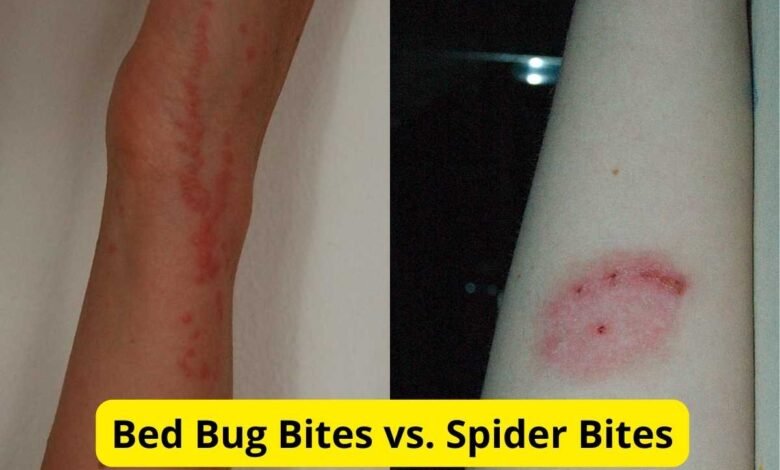
Spider bites are usually isolated rather than appearing in clusters. If you notice a single bite or a couple of bites spaced apart, it could point toward a spider. In contrast, bed bug bites often appear in lines or groups.
The bite itself may look like a small red bump. Bed Spider Bites Some people experience mild swelling, itching, or a burning sensation. In certain cases, you might see two tiny puncture marks, which are the spider’s fangs.
More serious bites can cause additional symptoms. These might include increased redness, blistering, or pain that develops over time. For example, a brown recluse bite may start off mild but worsen within hours or days.
It’s important to avoid jumping to conclusions. Skin reactions vary widely between individuals, and even doctors sometimes find it difficult to confirm a spider bite without direct evidence.
Symptoms You Should Watch For
Most bed spider bites result in mild symptoms that go away on their own. These include slight redness, itching, and minor swelling. For many people, the discomfort is comparable to a mosquito bite and resolves within a few days.
However, some bites can produce more noticeable reactions. Pain at the bite site may increase over time, and the area may become warm or tender. In some cases, a blister or small ulcer can form.
Certain spider species can cause systemic symptoms. These may include muscle cramps, sweating, nausea, or fever. While rare, these symptoms require immediate medical attention.
Allergic reactions are also possible. Signs of an allergic response include severe swelling, difficulty breathing, or hives spreading beyond the bite area. These situations are medical emergencies and should not be ignored.
Knowing what to watch for helps you respond appropriately and avoid unnecessary panic while still taking serious symptoms seriously.
Immediate Treatment for Bed Spider Bites
If you suspect a spider bite, the first step is to clean the area. Wash the bite gently with soap and water to reduce the risk of infection. This simple step is often overlooked but makes a big difference.
Applying a cold compress can help reduce swelling and relieve discomfort. Wrap ice in a cloth and place it on the bite for 10–15 minutes at a time. Avoid applying ice directly to the skin.
Over-the-counter remedies can also provide relief. Antihistamines can reduce itching, while pain relievers can help manage discomfort. Topical creams designed for insect bites may also be useful.
Keep the area clean and avoid scratching, as this can lead to infection. If the bite worsens or does not improve within a few days, it’s a good idea to consult a healthcare professional.
Most importantly, stay calm. The majority of spider bites are harmless and respond well to basic care.
When to Seek Medical Attention
While most bites are minor, there are situations where medical help is necessary. Recognizing these situations early can prevent complications.
Seek medical attention if the bite becomes increasingly painful or shows signs of infection, such as pus, excessive redness, or warmth. These symptoms may indicate a secondary infection rather than the bite itself.
If you experience systemic symptoms like fever, muscle cramps, or nausea, it’s important to see a doctor immediately. These could be signs of a more serious reaction to the bite.
Bites from potentially dangerous spiders should always be evaluated. If you suspect a brown recluse or black widow bite, do not wait for symptoms to worsen before getting help.
Additionally, children, elderly individuals, and people with weakened immune systems should be more cautious. Their bodies may react differently, and early intervention is often the safest approach.
How to Prevent Bed Spider Bites
Prevention starts with making your sleeping environment less attractive to spiders. The good news is that simple habits can significantly reduce the risk.
Keep your bedroom clean and clutter-free. Spiders thrive in areas where they can hide undisturbed. Regular cleaning removes both spiders and the insects they feed on.
Seal cracks and gaps around windows, doors, and walls. These entry points allow spiders to enter your home. Fixing them helps keep unwanted visitors out.
Wash your bedding regularly and shake out blankets before use. This is especially helpful if your bed is close to walls or stored items where spiders might hide.
Reducing indoor insect populations also helps. Since spiders feed on insects, eliminating their food source naturally discourages them from staying.
Finally, consider using natural repellents like essential oils. While not foolproof, they can add an extra layer of protection when combined with other measures.
Bed Spider Bites vs. Bed Bug Bites
One of the biggest challenges people face is distinguishing between spider bites and bed bug bites. The confusion is understandable, as both can appear after sleep.
Bed bug bites usually occur in clusters or lines. They tend to appear on exposed skin areas such as arms, legs, and neck. The bites are often itchy and may become inflamed.
Spider bites, on the other hand, are typically isolated. You’re more likely to see a single bite rather than multiple ones grouped together. Pain may also be more noticeable with spider bites.
Another key difference is timing. Bed bugs feed regularly and leave repeated bite patterns over time. Spider bites are more random and less frequent.
If you suspect bed bugs, you may notice additional signs like tiny blood stains on sheets or small dark spots. Spiders do not leave these kinds of traces.
Understanding these differences can help you take the right steps to address the problem.
Myths and Misconceptions About Spider Bites
There are many myths surrounding spider bites, and these misconceptions often cause unnecessary fear.
One common myth is that spiders frequently bite humans in their sleep. In reality, this is quite rare. Spiders prefer to avoid humans and only bite when they feel threatened.
Another misconception is that all spider bites are dangerous. Most spiders are harmless, and their bites do not cause serious harm. Only a small number of species pose a real risk.
People also tend to blame spiders for unexplained skin conditions. Bed Spider Bites Many rashes or bites are incorrectly attributed to spiders without any evidence.
Finally, the idea that spiders intentionally live in beds is misleading. They may wander into beds accidentally, but they do not choose beds as their primary habitat.
Clearing up these myths helps you approach the situation with a more balanced and informed perspective.
Conclusion:
Bed spider bites can be uncomfortable and concerning, but they are rarely dangerous. Most bites heal quickly with simple care, and serious cases are uncommon.
The key is understanding what you’re dealing with. By learning how to identify bites, recognize symptoms, and take preventive steps, you can handle the situation confidently.
Instead of worrying about worst-case scenarios, focus on practical solutions. Keep your sleeping area clean, stay aware of your surroundings, and respond calmly if a bite occurs.
With the right knowledge, bed spider bites become less of a mystery and more of a manageable, everyday issue.