Tom Buchanan: A Deep Look at One of Literature’s Most Controversial Characters

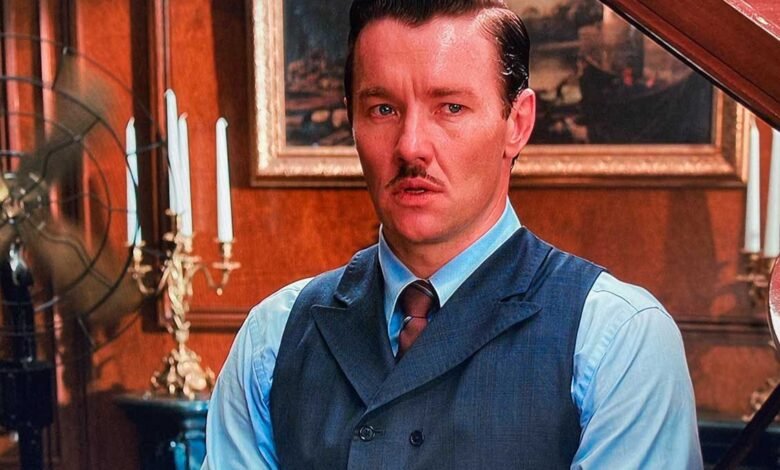
Introduction to Tom Buchanan
Few characters in American literature create as strong a reaction as Tom Buchanan. Introduced in the famous novel The Great Gatsby by F. Scott Fitzgerald, Tom Buchanan represents wealth, privilege, arrogance, and the darker side of the American upper class during the 1920s.
Although many readers initially see him as a typical wealthy antagonist, a closer examination reveals a far more complex character. His personality, beliefs, relationships, and actions all serve a greater purpose in the narrative. Fitzgerald designed Tom Buchanan to symbolize social inequality, moral decay, and the dangers of unchecked privilege in the era often called the Roaring Twenties.
This article explores Tom Buchanan in depth—his personality, background, relationships, symbolism, and importance in the story. By understanding his role, readers gain deeper insight into the themes and social criticism within The Great Gatsby.
The Background of Tom Buchanan
Tom Buchanan enters the story as a man of immense wealth and social status. He belongs to the elite class known as “old money,” meaning his family has been wealthy for generations. Unlike characters who work hard to earn their fortune, Tom inherited his wealth and power. This background shapes his personality and worldview.
Before the events of the novel, Tom attended Yale University, where he achieved fame as a talented football player. His athletic success contributed to his sense of superiority and confidence. Even years later, he continues to talk about his college glory days, suggesting that his identity is deeply tied to his past achievements.
Tom lives in East Egg, a fictional wealthy community on Long Island. East Egg represents inherited wealth and traditional aristocracy, in contrast to West Egg, where newly rich individuals live. This setting immediately establishes Tom as part of the established elite.
Despite his privileged life, Tom appears restless and dissatisfied. He moves from place to place and constantly seeks excitement. His lack of purpose reveals an important theme in the novel: wealth does not guarantee happiness or moral integrity.
Tom Buchanan’s Personality and Character Traits
Tom Buchanan’s personality is strong, aggressive, and often unpleasant. From his first appearance, he shows dominance and arrogance. He speaks loudly, interrupts others, and often attempts to control conversations.
One of Tom’s defining traits is his sense of entitlement. Because he grew up wealthy, he believes he deserves power and respect from everyone around him. This belief causes him to treat others with little regard for their feelings or dignity.
Another key aspect of Tom’s personality is his intolerance. He openly expresses racist and elitist views. In one scene, he promotes ideas from a fictional book about white supremacy, demonstrating his fear of losing social power.
Tom also displays hypocrisy throughout the novel. While he criticizes others for dishonesty or immoral behavior, he repeatedly engages in affairs and deception himself. This double standard highlights the moral corruption within the upper class.
Despite these negative qualities, Tom remains confident and self-assured. His ability to maintain control over his life—even after causing harm to others—shows how privilege protects him from consequences.
Tom Buchanan’s Relationship with Daisy Buchanan
Tom’s marriage to Daisy Buchanan is one of the central relationships in the novel. On the surface, their marriage appears glamorous and successful. They live in a luxurious mansion and move comfortably within high society.
However, the reality of their relationship is far more complicated. Tom is openly unfaithful, maintaining a relationship with another woman. Daisy knows about his behavior, but she chooses to ignore it or accept it as part of their life.
Their marriage reflects a partnership built on status and convenience rather than love. Both characters value wealth, security, and social reputation above emotional honesty.
Even when Daisy becomes romantically involved with Jay Gatsby, Tom ultimately manages to regain control of the situation. His power, wealth, and confidence allow him to manipulate events in his favor.
By the end of the novel, Daisy remains with Tom, suggesting that the stability of wealth outweighs the possibility of true love. This outcome reinforces Fitzgerald’s critique of the American elite.
Tom Buchanan and His Affair with Myrtle Wilson
Another important aspect of Tom’s character is his relationship with Myrtle Wilson. Myrtle is married to George Wilson, a struggling garage owner.
Tom’s affair with Myrtle reveals his desire for control and indulgence. He treats her as a source of entertainment rather than a genuine romantic partner. While Myrtle hopes the relationship might improve her social status, Tom never intends to leave Daisy.
Their meetings often take place in secret apartments or private gatherings in New York City. These scenes illustrate the contrast between the wealthy elite and the working class.
Tom’s treatment of Myrtle is cruel and dismissive. At one point, he even physically harms her during an argument. This moment highlights his violent temper and lack of empathy.
Through this relationship, Fitzgerald exposes the exploitation that occurs when powerful individuals take advantage of those with fewer resources.
Tom Buchanan as a Symbol of Old Money
Tom Buchanan represents the concept of “old money” in American society. Old money refers to wealth that has existed for generations rather than being newly earned.
In the world of The Great Gatsby, old money characters believe they are superior to those who recently became wealthy. Tom frequently expresses this belief through his attitudes toward Gatsby.
Even though Gatsby is extremely rich, Tom refuses to see him as an equal. He dismisses Gatsby’s wealth because it comes from mysterious or possibly illegal sources.
This conflict reflects a larger theme in the novel: the tension between inherited privilege and self-made success. Tom symbolizes the traditional upper class determined to maintain its power.
His confidence and social connections ensure that he always remains protected, regardless of his behavior. This protection highlights the imbalance between social classes.
Tom Buchanan’s Role in the Novel’s Major Conflict
Tom plays a major role in the central conflict of the story. His rivalry with Gatsby intensifies as Gatsby attempts to win Daisy’s love.
When Tom realizes Daisy has feelings for Gatsby, he becomes determined to expose Gatsby’s past and destroy his reputation. During a heated confrontation in a hotel, Tom reveals details about Gatsby’s questionable business activities.
This moment represents a turning point in the novel. Daisy becomes uncertain about leaving her husband, and Gatsby’s dream begins to collapse.
Tom’s actions demonstrate his ability to use social influence as a weapon. By attacking Gatsby’s background and credibility, he protects his own position in society.
Ultimately, Tom’s manipulation contributes to the tragic outcome of the story. His decisions set off a chain of events that lead to devastating consequences for several characters.
Moral Responsibility and Lack of Consequences
One of the most striking aspects of Tom Buchanan’s character is his lack of accountability. Despite causing emotional and physical harm to others, he faces almost no consequences.
His wealth and social status act as a shield, allowing him to avoid responsibility. After the novel’s tragic events unfold, Tom simply moves on with his life.
This behavior reflects Fitzgerald’s criticism of the American elite. People like Tom possess so much power that they rarely face punishment for their actions.
In contrast, characters with less wealth suffer the greatest consequences. This imbalance highlights the unfairness of the social system depicted in the novel.
Tom’s ability to escape blame reinforces the idea that privilege can protect individuals from the results of their behavior.
Tom Buchanan’s Importance in Literary Analysis
Tom Buchanan remains one of the most discussed characters in literary studies. His role goes beyond simply being the story’s antagonist.
He represents the darker side of wealth and power in American society. Through Tom, Fitzgerald explores themes such as class conflict, racism, gender inequality, and moral corruption.
Literary scholars often analyze Tom as a symbol of the social elite during the 1920s. His attitudes reflect real historical tensions during a time of economic change and cultural transformation.
At the same time, Tom serves as a contrast to Gatsby’s idealism. While Gatsby believes in dreams and possibilities, Tom represents the rigid structures of class and privilege.
This contrast makes the novel more complex and thought-provoking. Without Tom Buchanan, the story would lose much of its social commentary.
Why Tom Buchanan Still Matters Today
Even though The Great Gatsby was published nearly a century ago, Tom Buchanan remains relevant to modern readers. His character reflects issues that still exist in society today.
Questions about wealth inequality, privilege, and social power continue to shape public conversations around the world. Tom represents individuals who use their influence to maintain control over social systems.
Readers also recognize the psychological aspects of his character. His insecurity, arrogance, and desire for dominance reveal how power can shape human behavior.
Modern audiences may dislike Tom, but his presence makes the story more realistic. In many ways, he embodies the flaws of real social structures rather than simply serving as a fictional villain.
Because of this realism, Tom Buchanan continues to be an important figure in literature classes and cultural discussions.
Conclusion
Tom Buchanan is far more than just a wealthy antagonist in The Great Gatsby. Through this character, F. Scott Fitzgerald exposes the dangers of privilege, arrogance, and moral indifference.
Tom’s background, personality, relationships, and actions all contribute to the novel’s exploration of class and power. His conflicts with characters like Jay Gatsby and Daisy Buchanan reveal the deep divisions within American society.
Although readers often dislike Tom Buchanan, his character plays a crucial role in making the story powerful and meaningful. He represents the harsh reality that wealth and privilege can allow individuals to escape responsibility.
By examining Tom Buchanan closely, readers gain a deeper understanding of The Great Gatsby and the social commentary embedded within the novel. His character remains a lasting reminder that power without morality can lead to destruction—both for individuals and for society as a whole.