Introduction to Low Calorie Recipes
Eating healthy does not have to mean eating boring food. Low Calorie Recipes Many people assume that reducing calories automatically makes meals bland or unsatisfying, but that is far from the truth. With the right ingredients and cooking techniques, low calorie recipes can be flavorful, filling, and incredibly enjoyable.
Low calorie meals are especially helpful for people who want to manage their weight, improve their overall health, or simply develop better eating habits. These recipes often focus on whole foods, fresh vegetables, lean proteins, and smart cooking methods that reduce unnecessary fats and sugars.
In this guide, you will discover what low calorie recipes really are, why they matter, and how you can easily incorporate them into your daily routine. You will also find practical tips and several recipe ideas that prove healthy food can still taste amazing.
Understanding Low Calorie Recipes
Low calorie recipes are meals designed to provide fewer calories while still delivering essential nutrients. These recipes focus on ingredients that are naturally lighter but still satisfying. Foods such as vegetables, fruits, lean proteins, and whole grains are commonly used because they provide nutrition without excessive calories.
The goal of a low calorie recipe is not to make you feel hungry. Instead, it prioritizes foods that create a sense of fullness while keeping the overall calorie count under control. Low Calorie Recipes Fiber-rich vegetables, for example, add volume to meals, allowing you to eat a larger portion without consuming too many calories.
Another key aspect of low calorie cooking involves smarter preparation methods. Baking, grilling, steaming, and air-frying are often used instead of deep frying. Low Calorie Recipes These methods help maintain flavor while significantly reducing the amount of added fat.
When done correctly, low calorie meals can be just as satisfying as traditional dishes. The secret lies in balancing flavor, texture, and nutrition so that each meal feels complete and enjoyable.
Benefits of Low Calorie Cooking
Low calorie cooking offers several benefits that go beyond weight management. One of the most obvious advantages is that it helps regulate daily energy intake. When people consistently eat fewer calories than they burn, their bodies begin to use stored fat for energy.
Another benefit is improved digestion and overall health. Many low calorie recipes include vegetables, fruits, and whole grains that are rich in fiber. Fiber supports healthy digestion, helps regulate blood sugar levels, and contributes to long-term heart health.
Low calorie meals also tend to contain fewer processed ingredients. This means you naturally consume less sodium, refined sugar, and unhealthy fats. Low Calorie Recipes As a result, your body receives more nutrients and fewer empty calories.
Finally, low calorie cooking encourages mindful eating habits. When you become more aware of what goes into your meals, you develop a healthier relationship with food. Instead of focusing on restriction, you focus on nourishment and balance.
Essential Ingredients for Low Calorie Recipes
Creating delicious low calorie meals starts with choosing the right ingredients. Fresh vegetables are often the foundation of many healthy recipes. Low Calorie Recipes Vegetables such as spinach, zucchini, broccoli, cauliflower, and bell peppers provide vitamins and minerals while remaining naturally low in calories.
Lean protein is another essential component. Protein helps maintain muscle mass and keeps you feeling full longer. Options like chicken breast, turkey, tofu, eggs, beans, and fish are excellent choices for low calorie dishes.
Whole grains can also be included in moderate amounts. Foods like quinoa, brown rice, oats, and whole wheat pasta provide sustained energy and additional fiber. They help make meals more satisfying without drastically increasing calorie intake.
Healthy flavor enhancers also play an important role. Herbs, spices, garlic, ginger, lemon juice, and vinegar add depth to dishes without adding unnecessary calories. These ingredients allow you to create bold flavors without relying on heavy sauces or excessive oil.
Cooking Techniques That Reduce Calories
The way you cook your food can significantly affect its calorie content. Many traditional recipes use large amounts of butter, oil, or cream, which can quickly increase the calorie count of a meal.
Grilling is one of the best low calorie cooking methods. It allows fat to drip away from the food while enhancing flavor through natural caramelization. Grilled vegetables and lean meats often taste rich without needing additional sauces.
Steaming is another effective method. This technique preserves nutrients while avoiding added fats. Vegetables like broccoli, carrots, and green beans retain their natural flavor and texture when steamed.
Baking and roasting also work well for low calorie meals. By using a small amount of olive oil and plenty of seasoning, you can transform simple ingredients into satisfying dishes with minimal calories.
Finally, sautéing with broth instead of oil is a useful trick for reducing fat content. Vegetable or chicken broth adds moisture and flavor without adding extra calories.
Simple Low Calorie Breakfast Recipes
Breakfast is an important meal because it sets the tone for the rest of the day. A healthy, low calorie breakfast can provide energy while keeping you satisfied until lunchtime.
One popular option is a vegetable omelet made with egg whites, spinach, mushrooms, and tomatoes. Egg whites are high in protein but low in calories, making them a great base for a filling breakfast.
Another excellent choice is Greek yogurt with fresh berries and a small sprinkle of oats or nuts. This combination offers protein, natural sweetness, and fiber, helping you feel full without consuming too many calories.
Oatmeal is also a versatile low calorie breakfast option. By cooking oats with water or low-fat milk and topping them with fruit, cinnamon, or chia seeds, you create a nutritious meal that supports sustained energy.
Smoothies can also work well if prepared carefully. Blending spinach, banana, protein powder, and almond milk creates a refreshing drink that is both nutritious and calorie-conscious.
Healthy Low Calorie Lunch Ideas
Lunch often determines how energetic and productive you feel during the afternoon. Low calorie lunch recipes can help maintain focus without leaving you feeling heavy or sluggish.
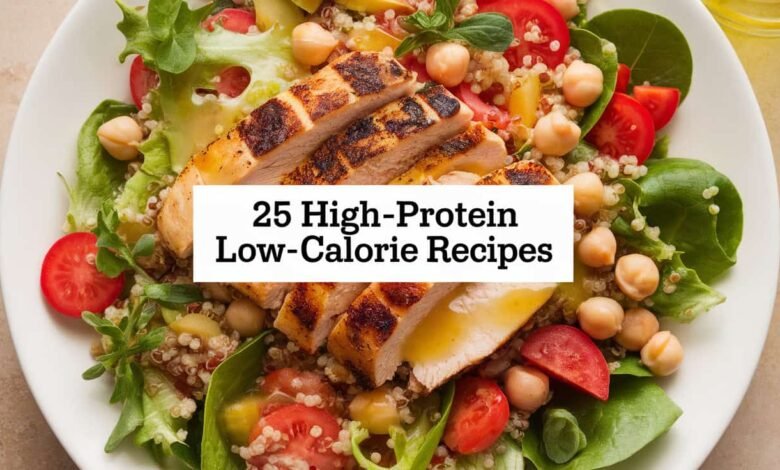
A grilled chicken salad is a classic option. Combining grilled chicken breast with mixed greens, cucumbers, cherry tomatoes, and a light vinaigrette creates a balanced and satisfying meal.
Another great idea is a vegetable wrap using whole wheat tortillas. Fill the wrap with hummus, lettuce, shredded carrots, cucumbers, and grilled vegetables for a flavorful and nutritious lunch.
Soup is another fantastic low calorie choice. Vegetable soup, lentil soup, or chicken broth-based soups provide warmth and comfort while remaining relatively low in calories.
You can also prepare a quinoa bowl with roasted vegetables and lean protein. This meal offers a balanced mix of nutrients and keeps you full throughout the afternoon.
Light and Flavorful Low Calorie Dinner Recipes
Dinner is often the largest meal of the day, but it does not need to be high in calories. With thoughtful ingredients and cooking methods, you can enjoy satisfying dinners that still support healthy eating goals.
Grilled salmon with steamed vegetables is a great example of a balanced low calorie dinner. Salmon provides healthy fats and protein, while vegetables add fiber and essential nutrients.
Another delicious option is zucchini noodles with tomato sauce and lean turkey meatballs. This dish replaces traditional pasta with zucchini, significantly lowering the calorie count while maintaining flavor.
Stuffed bell peppers are also a popular low calorie dinner. By filling peppers with lean ground turkey, quinoa, and vegetables, you create a colorful and nutrient-rich meal.
Stir-fried vegetables with tofu or chicken can also make a quick and healthy dinner. Using minimal oil and plenty of spices ensures the dish remains light yet flavorful.
Tips for Creating Your Own Low Calorie Recipes
Once you understand the basics, creating your own low calorie recipes becomes much easier. One helpful strategy is to increase the portion of vegetables in any meal. Vegetables add volume and nutrients without significantly increasing calories.
Another tip is to choose lean protein sources whenever possible. Chicken breast, fish, beans, and tofu can replace higher-fat meats while still providing essential nutrients.
Reducing added sugar and refined carbohydrates also helps keep meals lighter. Instead of sugary sauces or white bread, opt for natural ingredients and whole grains.
Finally, experiment with herbs and spices. Flavorful seasonings can transform simple ingredients into exciting dishes without adding extra calories. Over time, you will discover combinations that suit your taste preferences.
Making Low Calorie Eating Sustainable
The most effective healthy eating habits are the ones you can maintain long term. Low calorie recipes should never feel restrictive or boring. Instead, they should be enjoyable, nourishing, and satisfying.
Variety plays a key role in sustainability. Rotating different vegetables, proteins, and grains keeps meals interesting and prevents food fatigue. Exploring new cuisines and cooking styles can also make healthy eating more exciting.
Meal planning is another helpful strategy. Preparing ingredients in advance makes it easier to cook healthy meals during busy days. When nutritious options are readily available, you are less likely to rely on unhealthy convenience foods.
Ultimately, low calorie eating is about balance rather than perfection. Occasional indulgences are normal and part of a healthy lifestyle. What matters most is maintaining consistent habits that support your well-being.
Conclusion
Low calorie recipes prove that healthy eating does not require sacrificing flavor or satisfaction. By focusing on nutrient-dense ingredients, mindful cooking techniques, and balanced meals, you can enjoy delicious food while maintaining a healthy lifestyle.
From energizing breakfasts to satisfying dinners, low calorie meals offer endless possibilities. Fresh vegetables, lean proteins, whole grains, and creative seasonings can transform simple ingredients into meals that nourish the body and delight the taste buds.
As you experiment with new recipes and cooking techniques, you will discover that healthy eating becomes easier and more enjoyable over time. With a little creativity and planning, low calorie recipes can become a natural and rewarding part of your daily routine.